STEP Tools v21 Released!
Version 21 of our STEP and IFC SDK is now available! Meshing and viewing is 40% faster, particularly for splines and files that share large amounts of geometry. The small number of Boolean calculation failures in IFC files have been cut by 75%. Our viewing tools now display much larger files than ever before.
We now support Windows on ARM64 and Visual Studio 2026. And of course, this release covers the latest versions of the STEP and IFC standards.
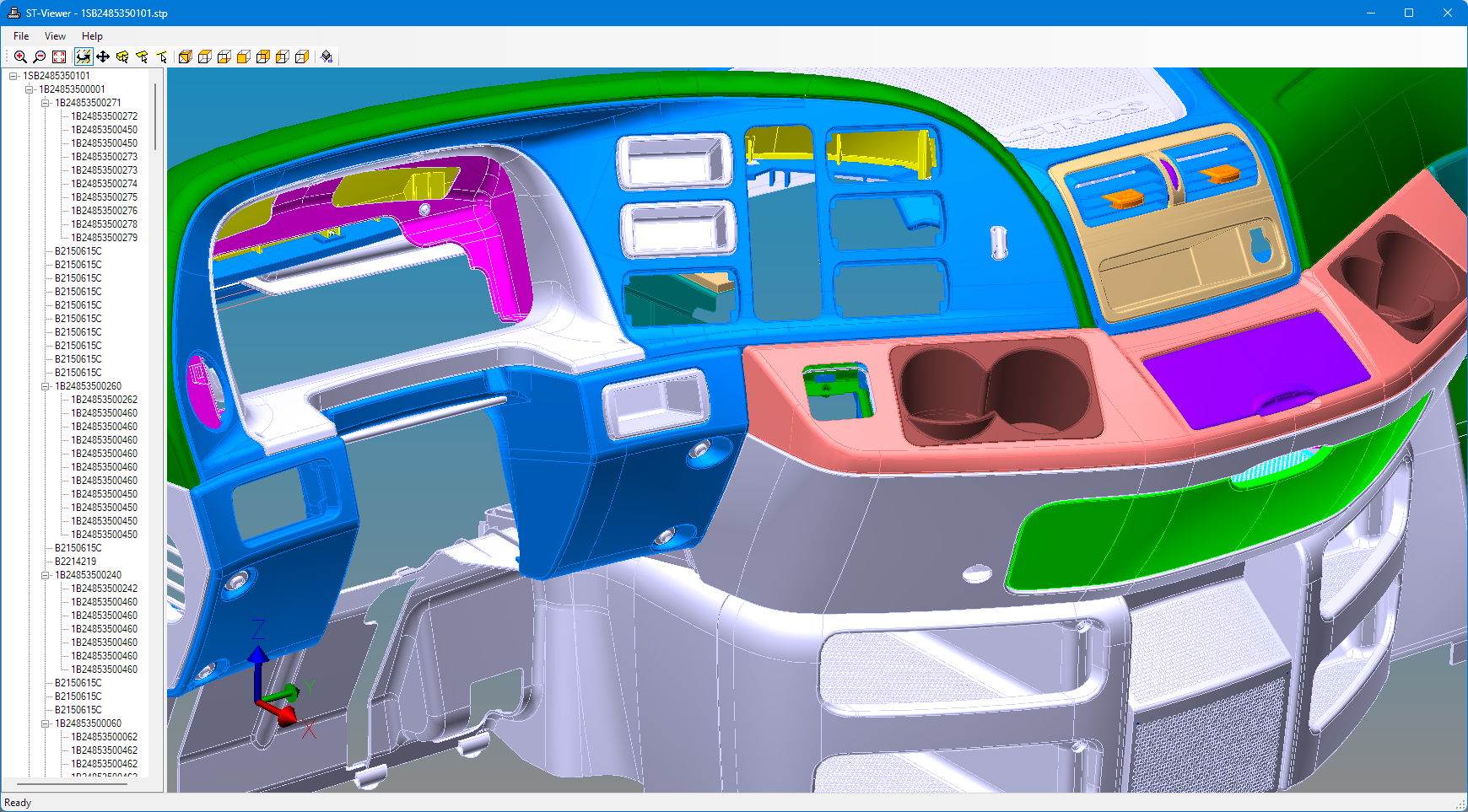
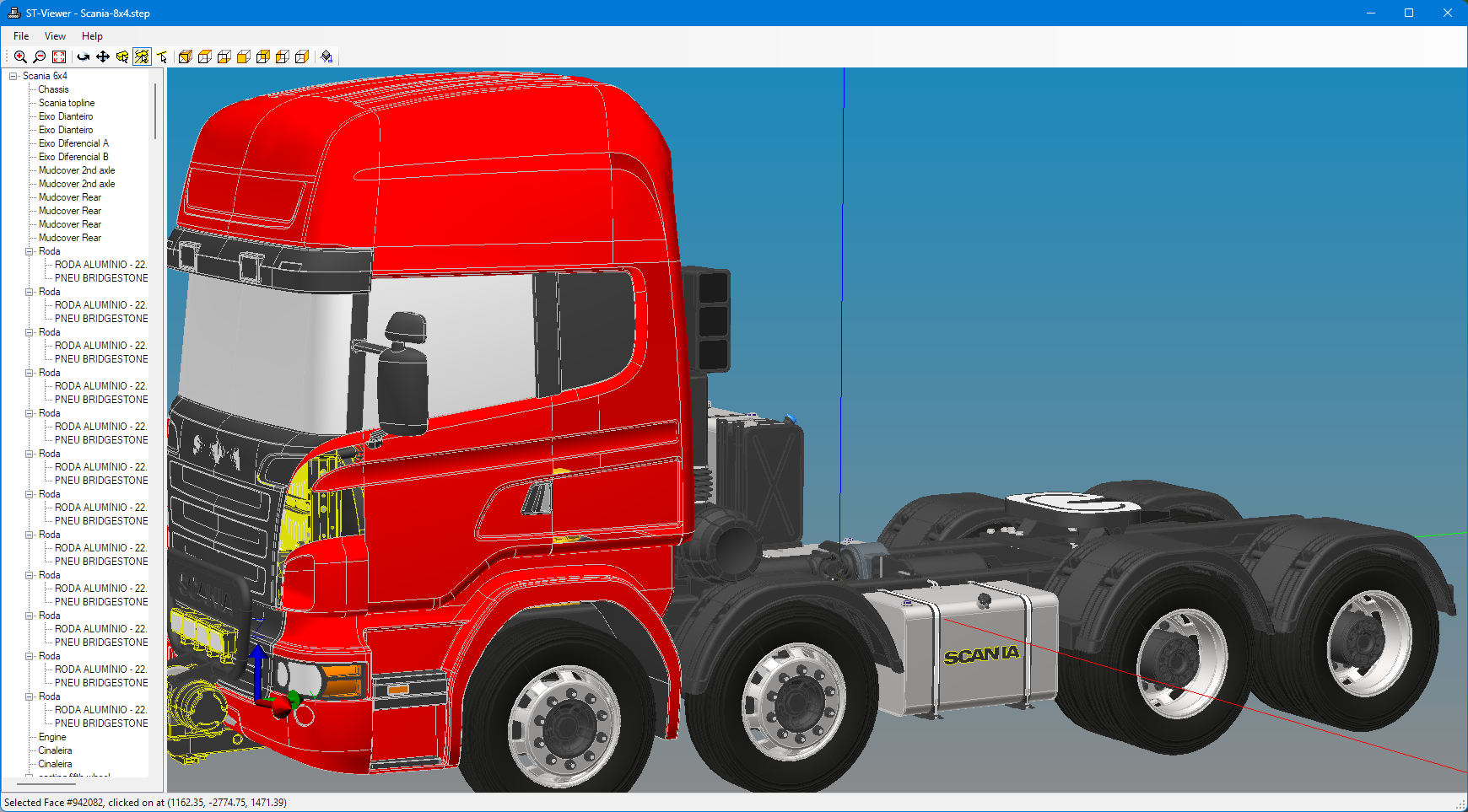
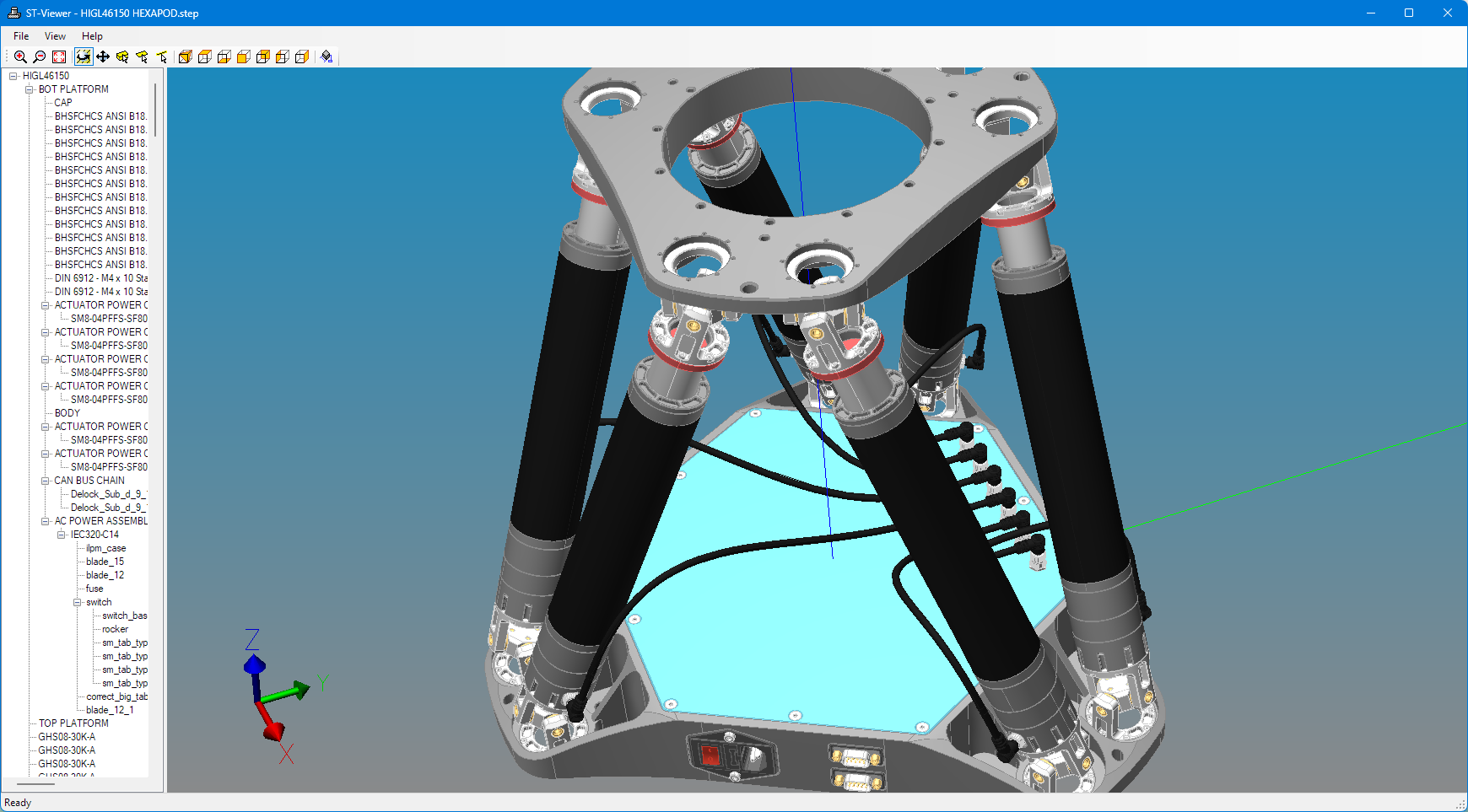
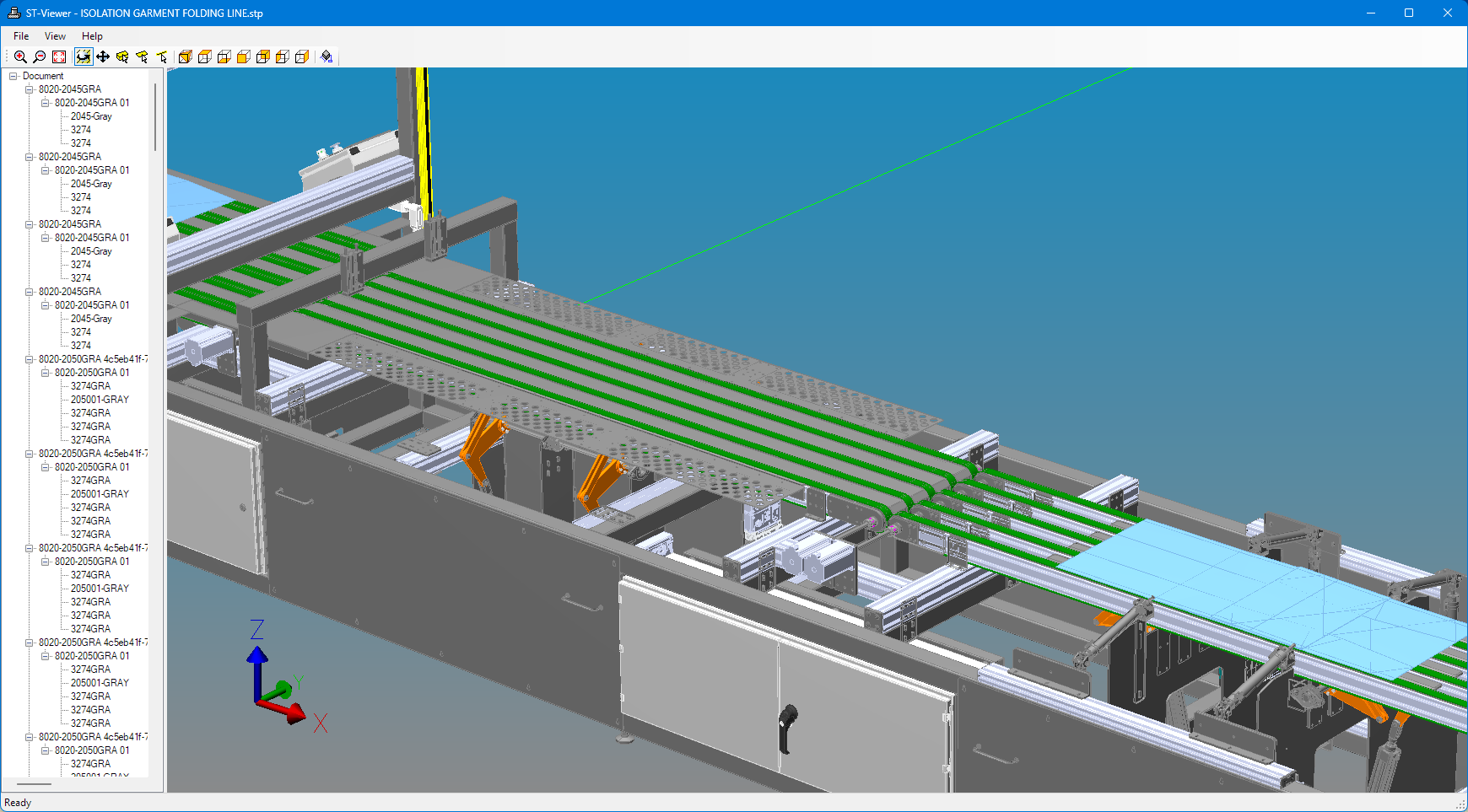
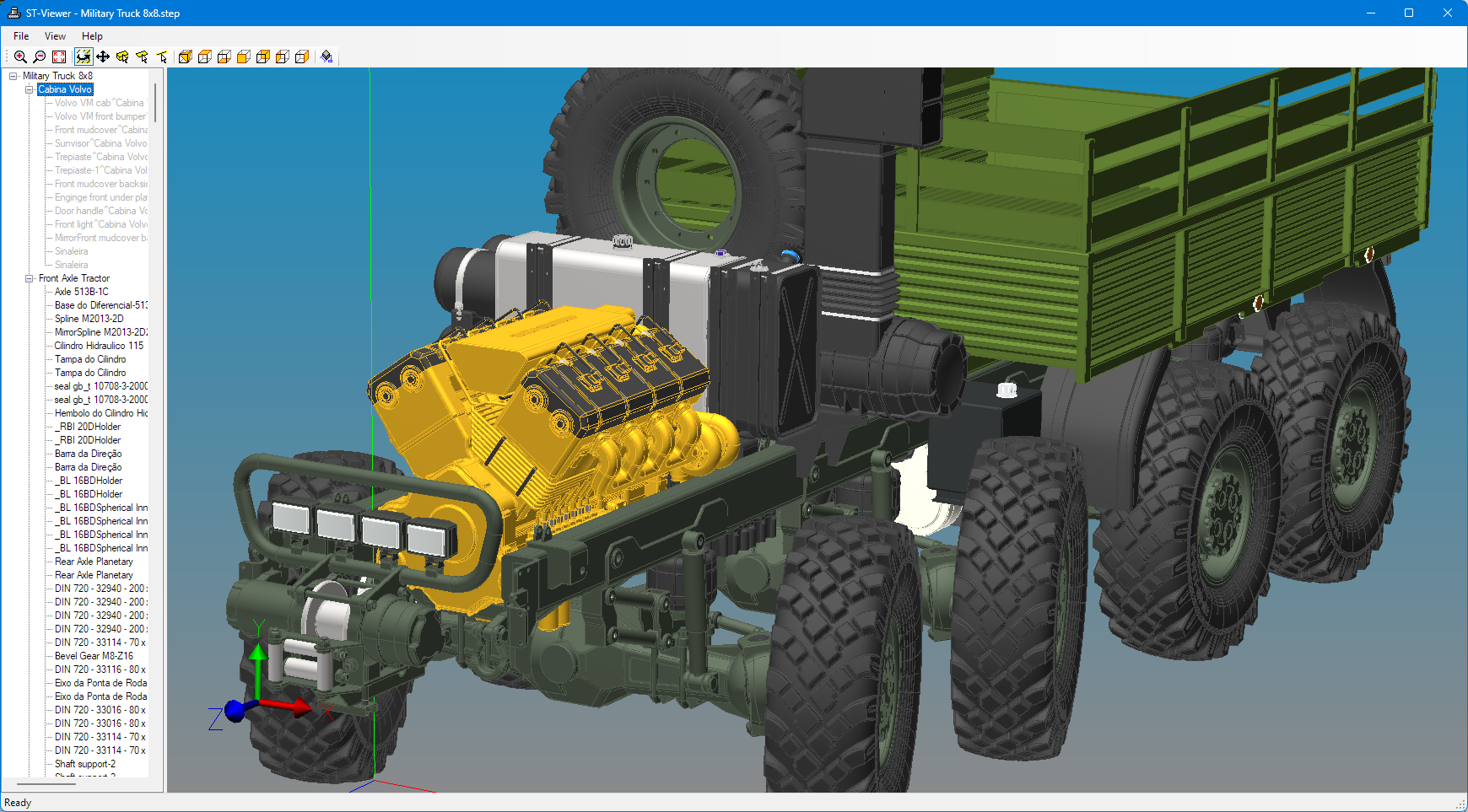
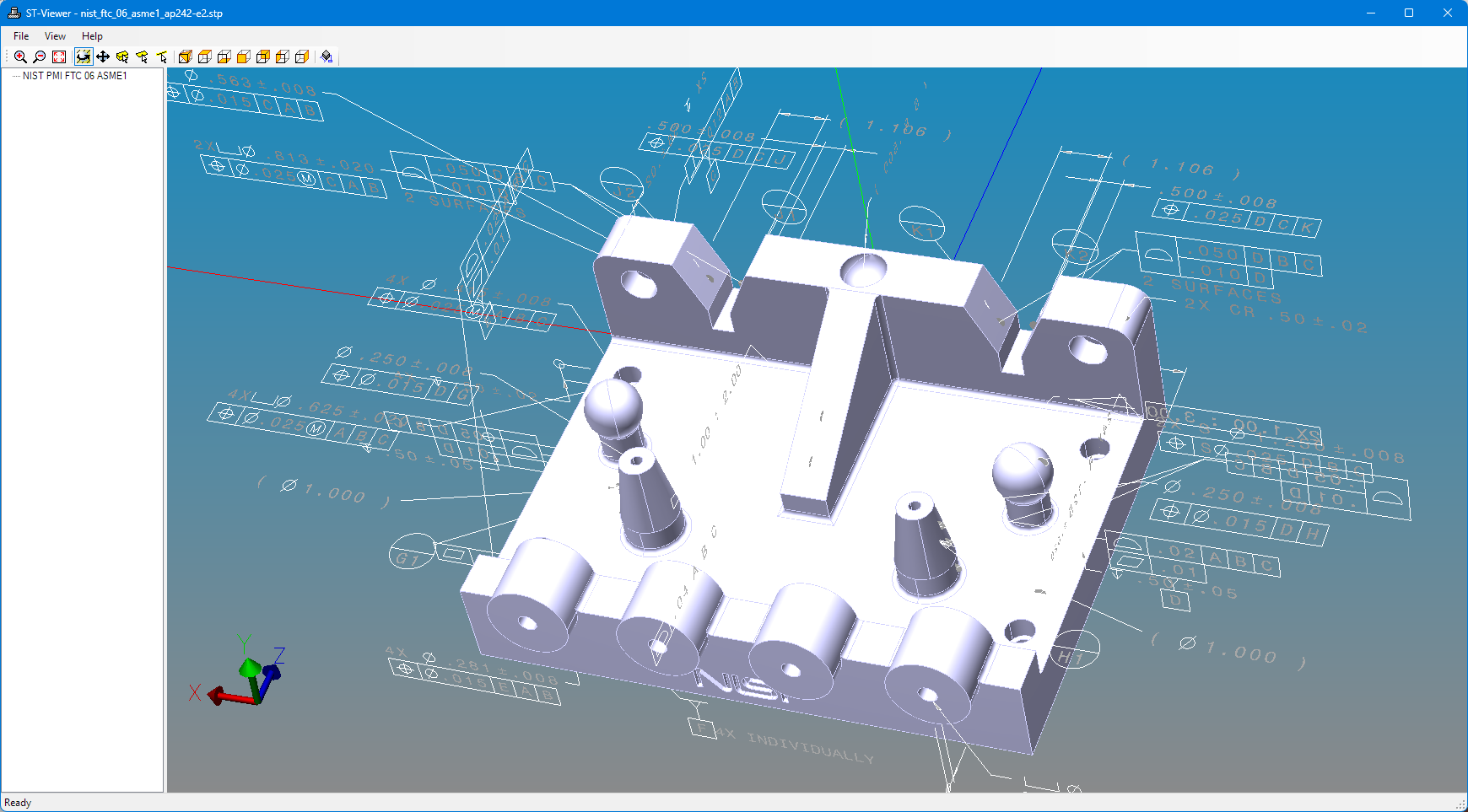
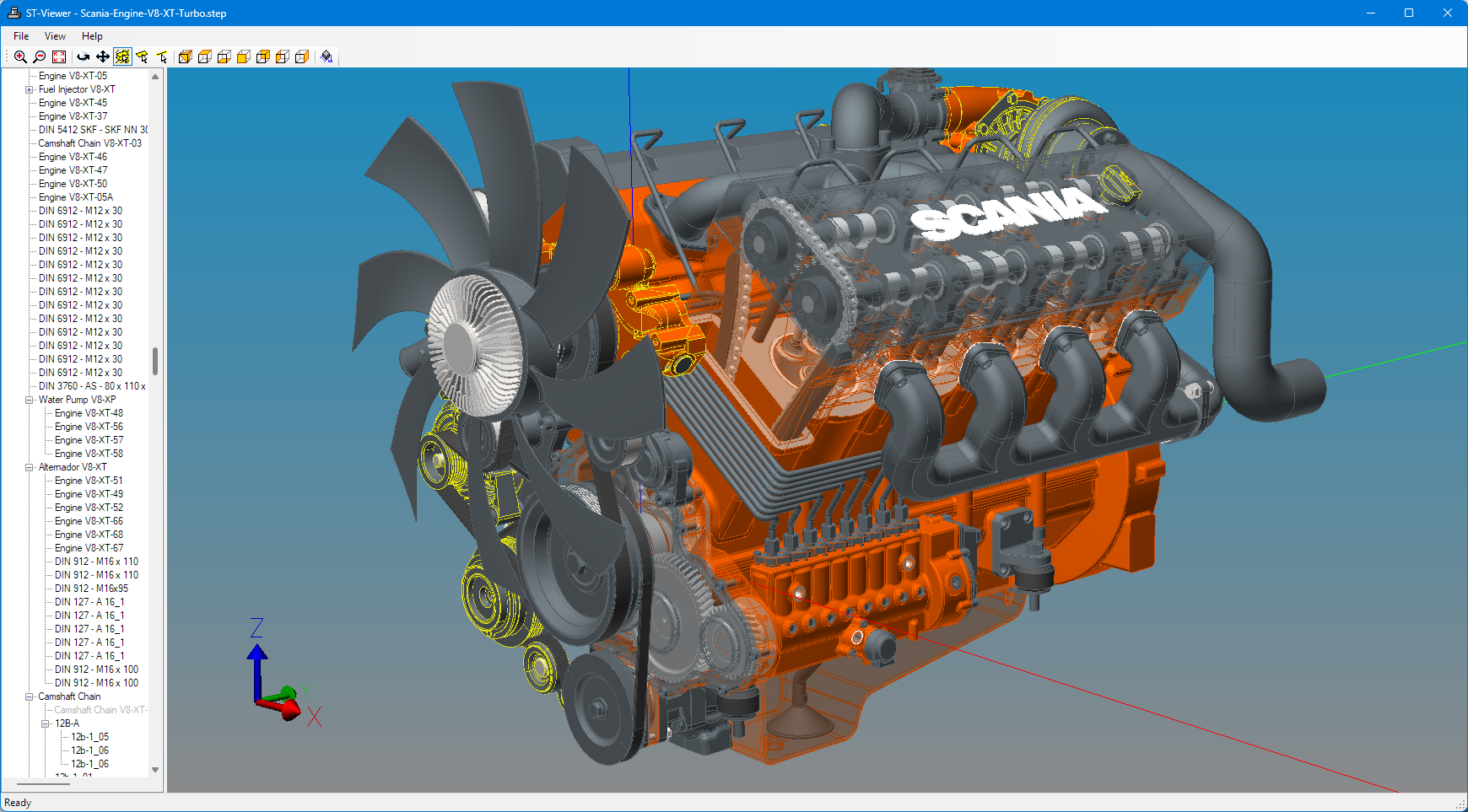
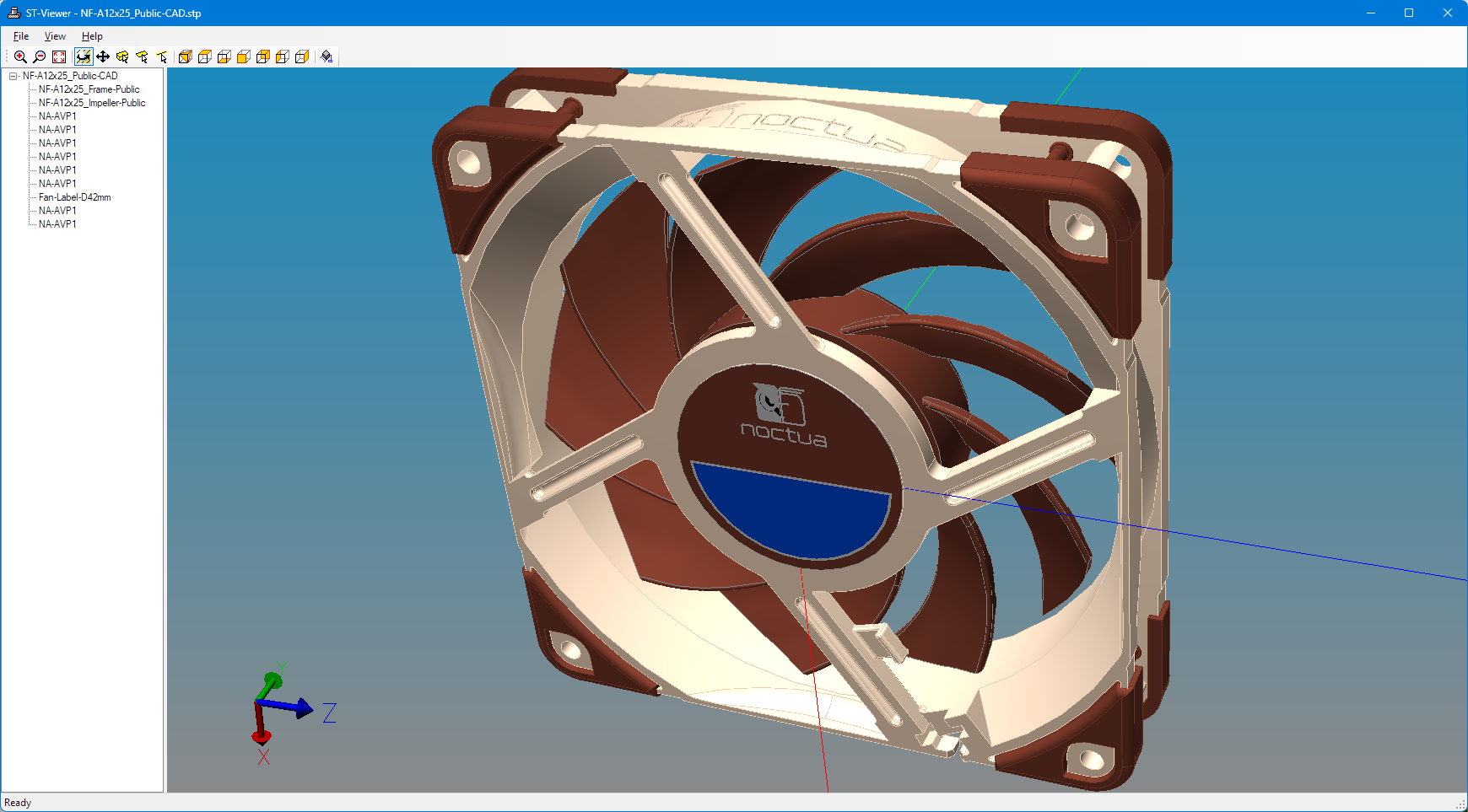
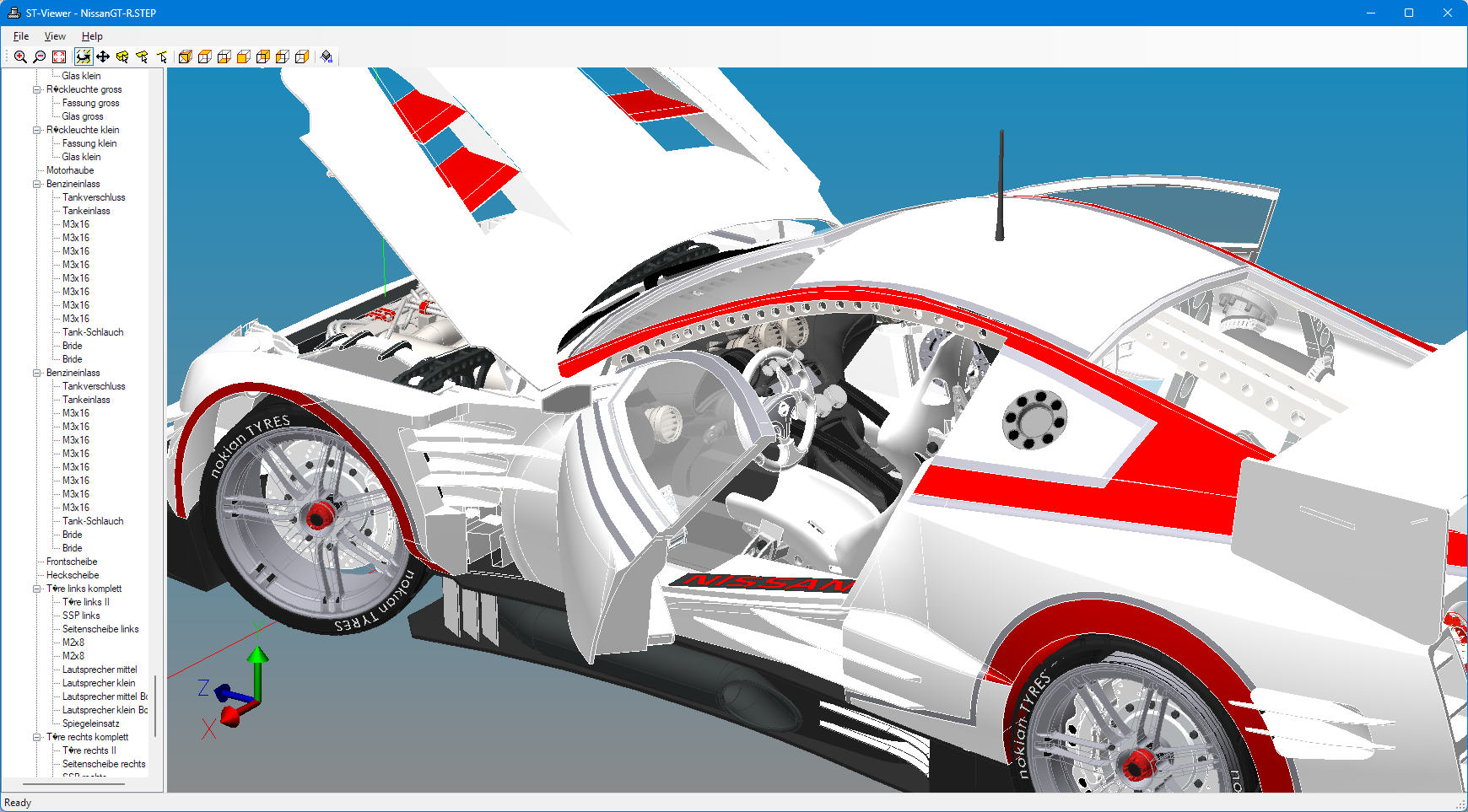
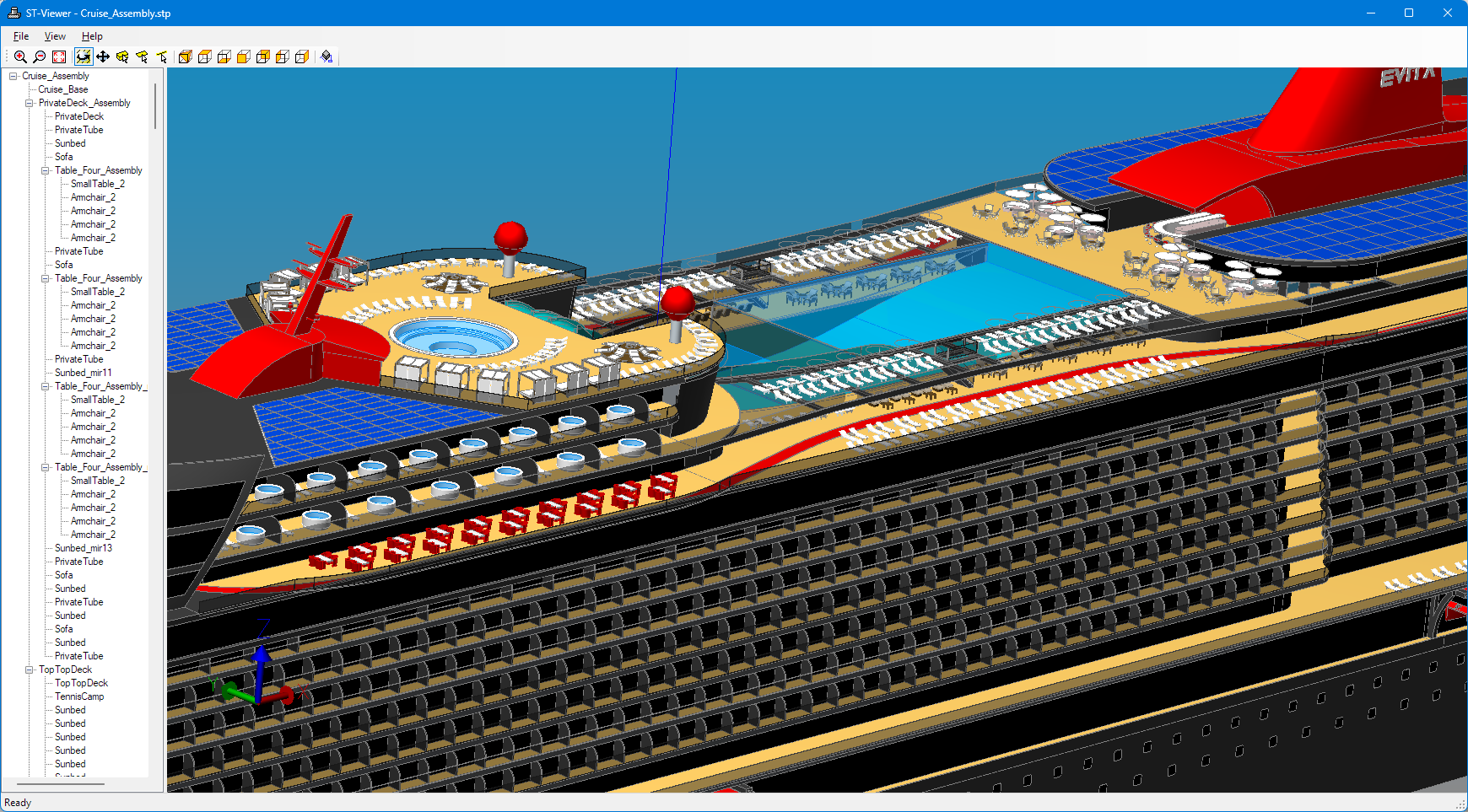
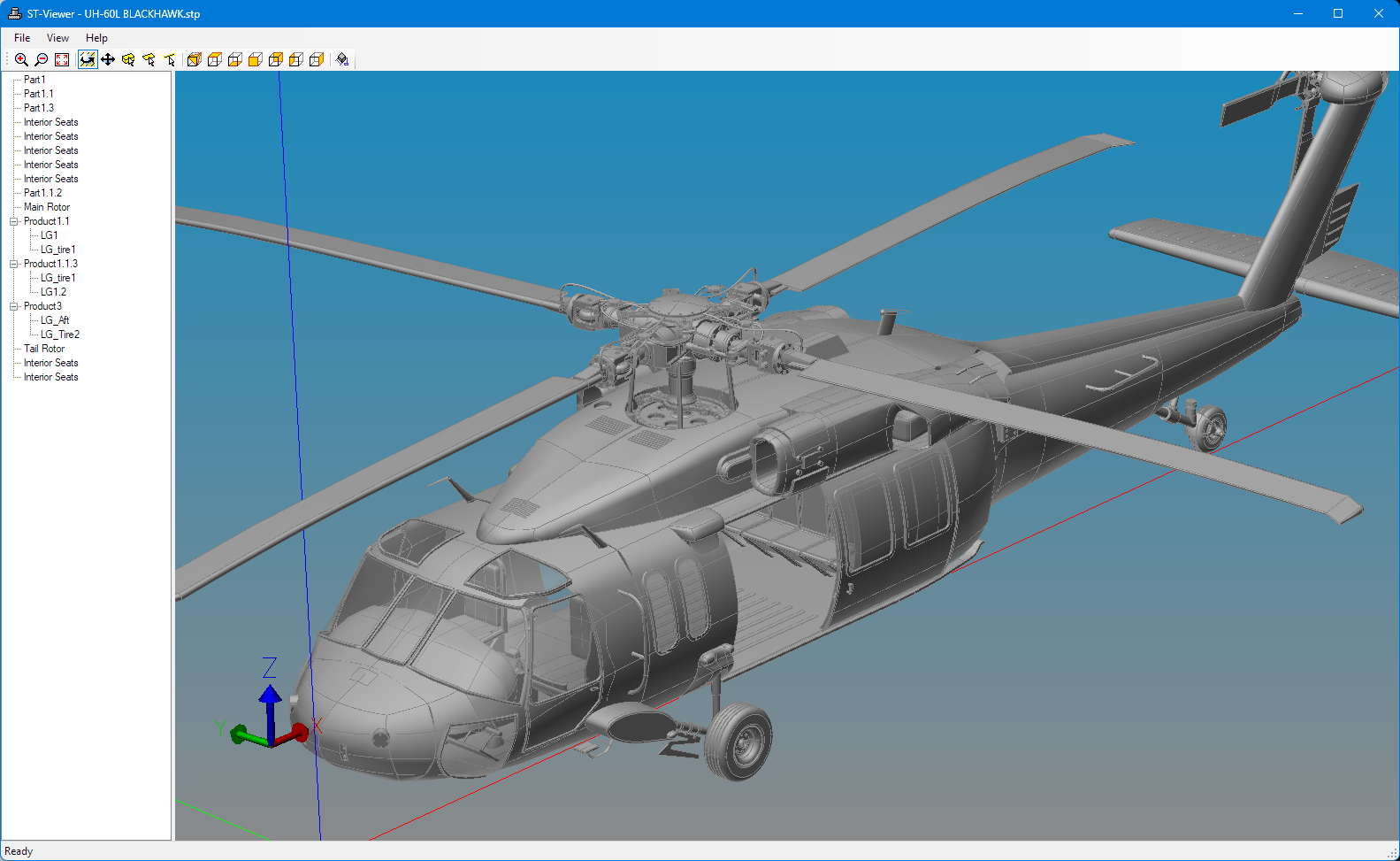
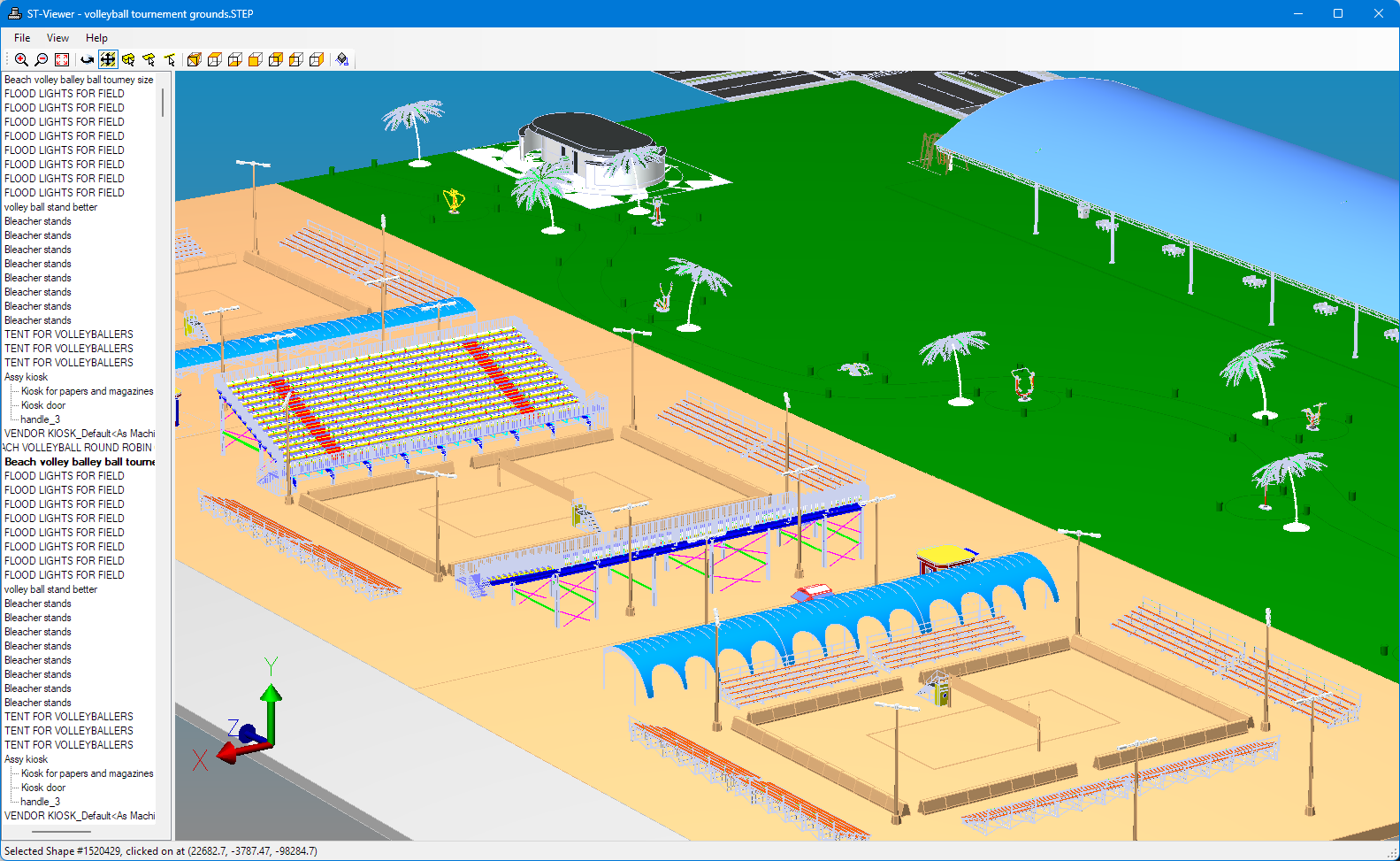
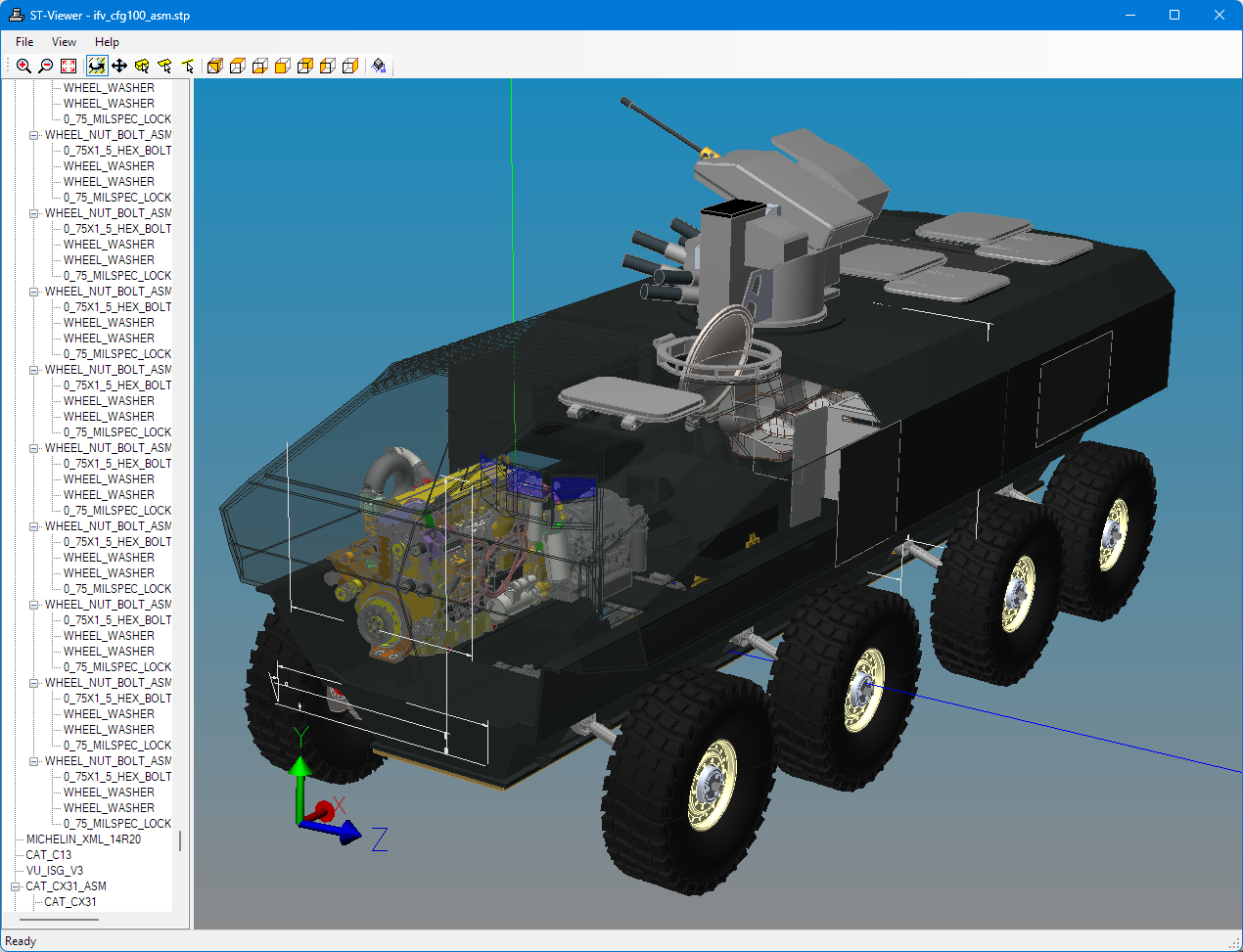
Our STEP libraries cover the fourth edition of AP242, published in August 2025 with enhancements for datum sets and tolerance modifiers as well as other new definitions. They also cover the fourth edition of AP238, at DIS stage in May 2026, which maintains compatibility with AP242e4 designs and expands STEP-NC into powder-bed fusion processes and drilling and fastening large structures.
The STEP meshing library is now 40% faster on average, with new algorithms for spline surface faceting and handling shared data. In addition, special attention has been paid to making sure that the meshes are watertight, for more effective slicing operations for additive manufacturing.
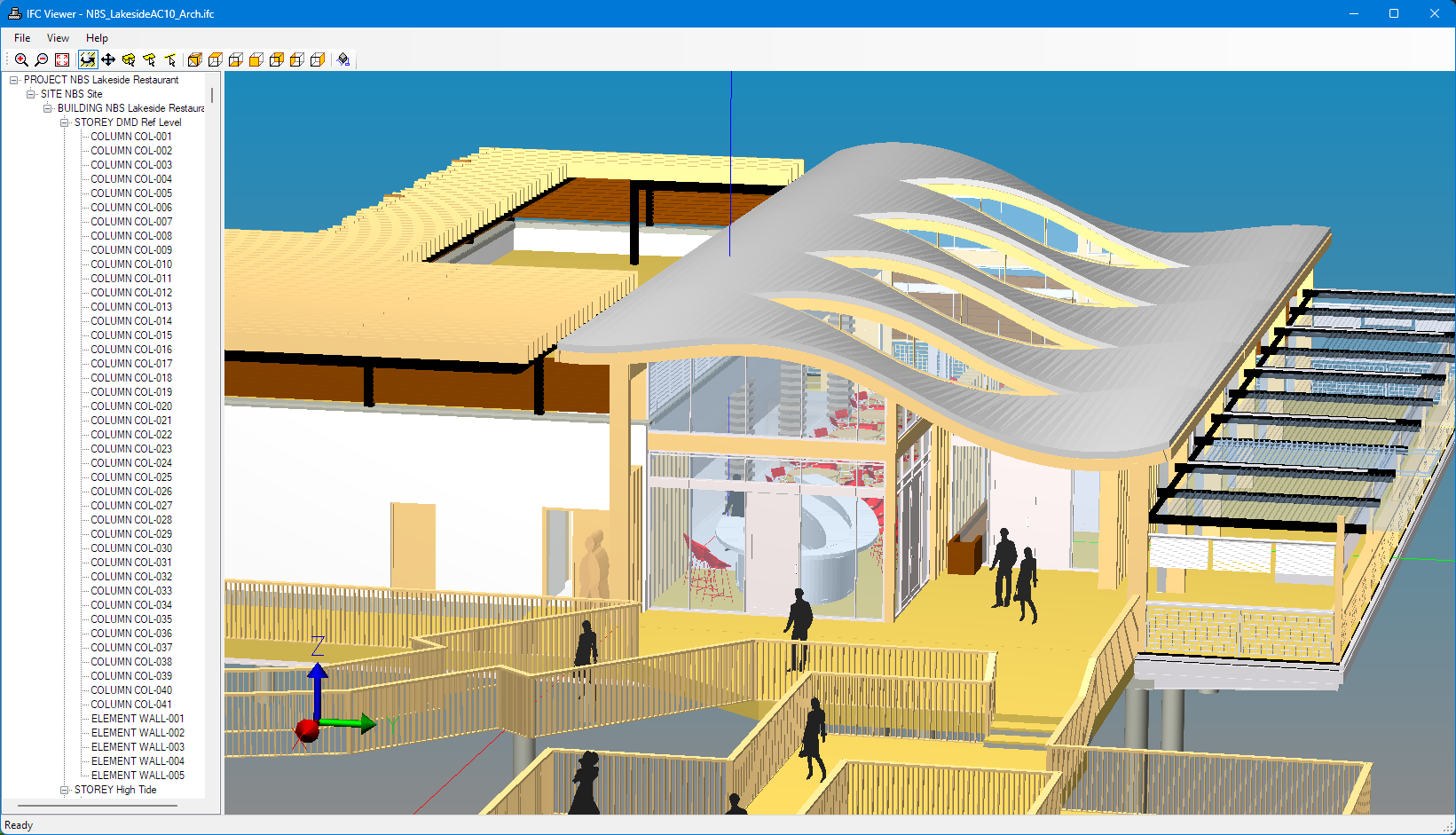
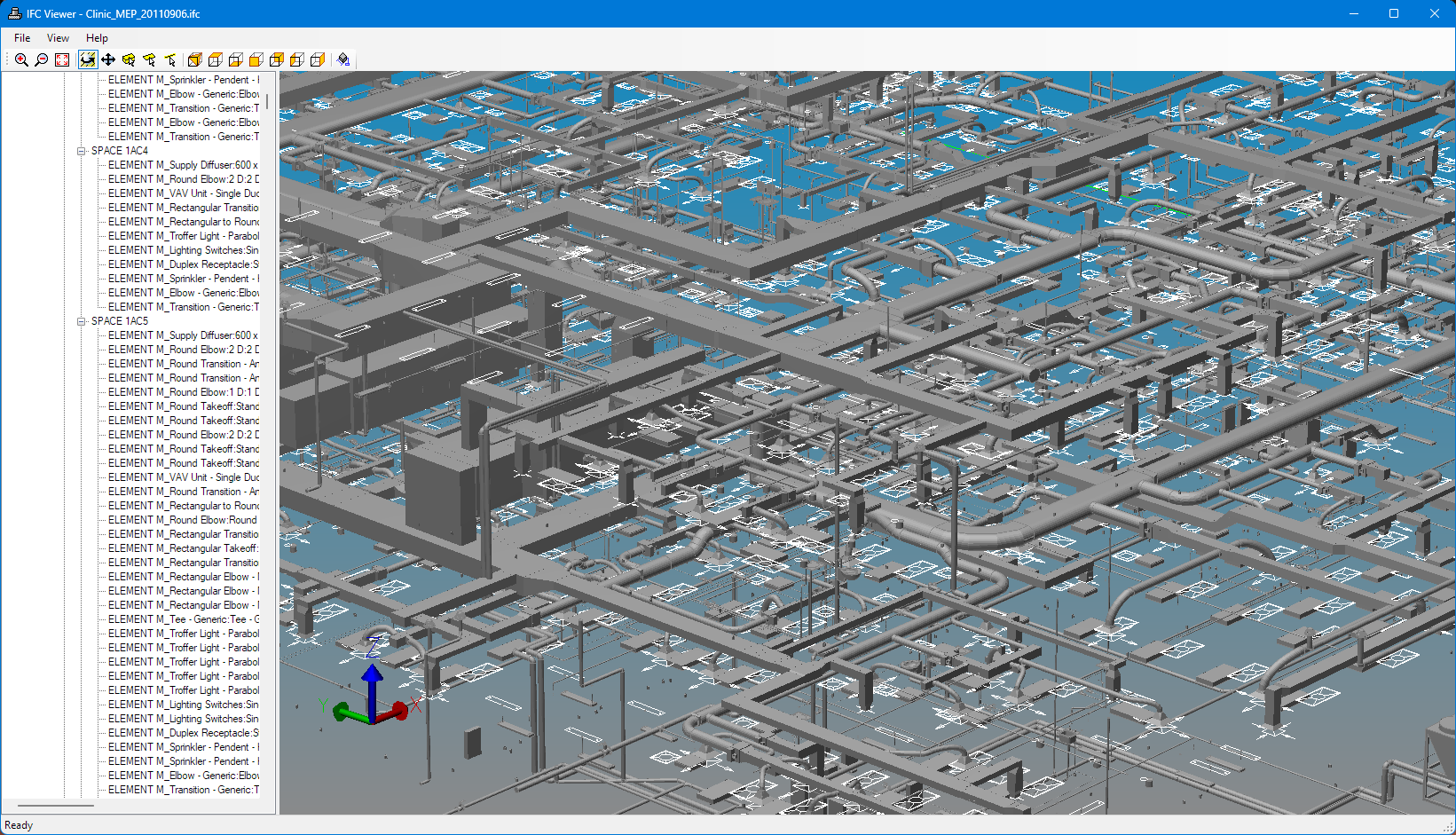
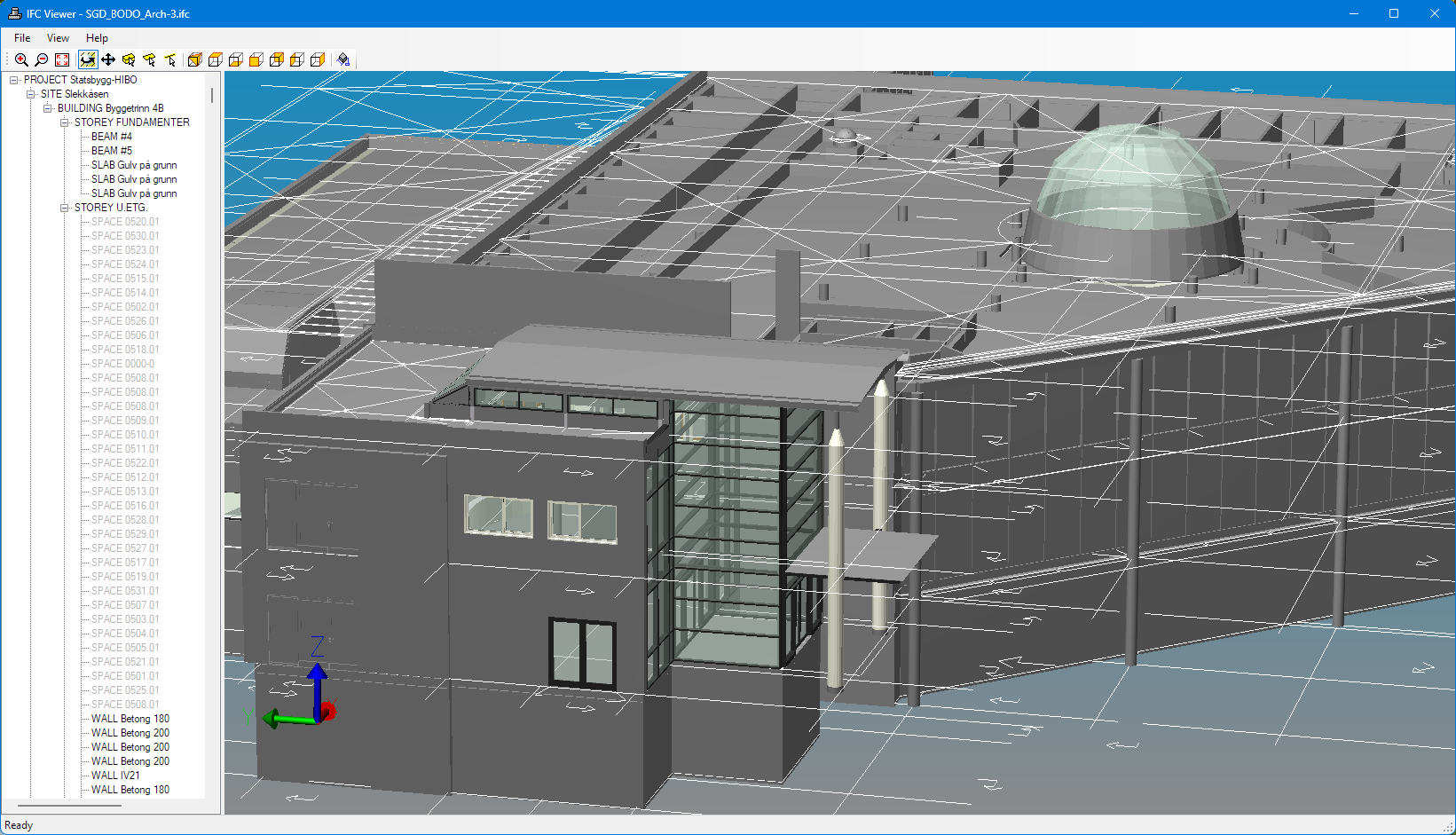
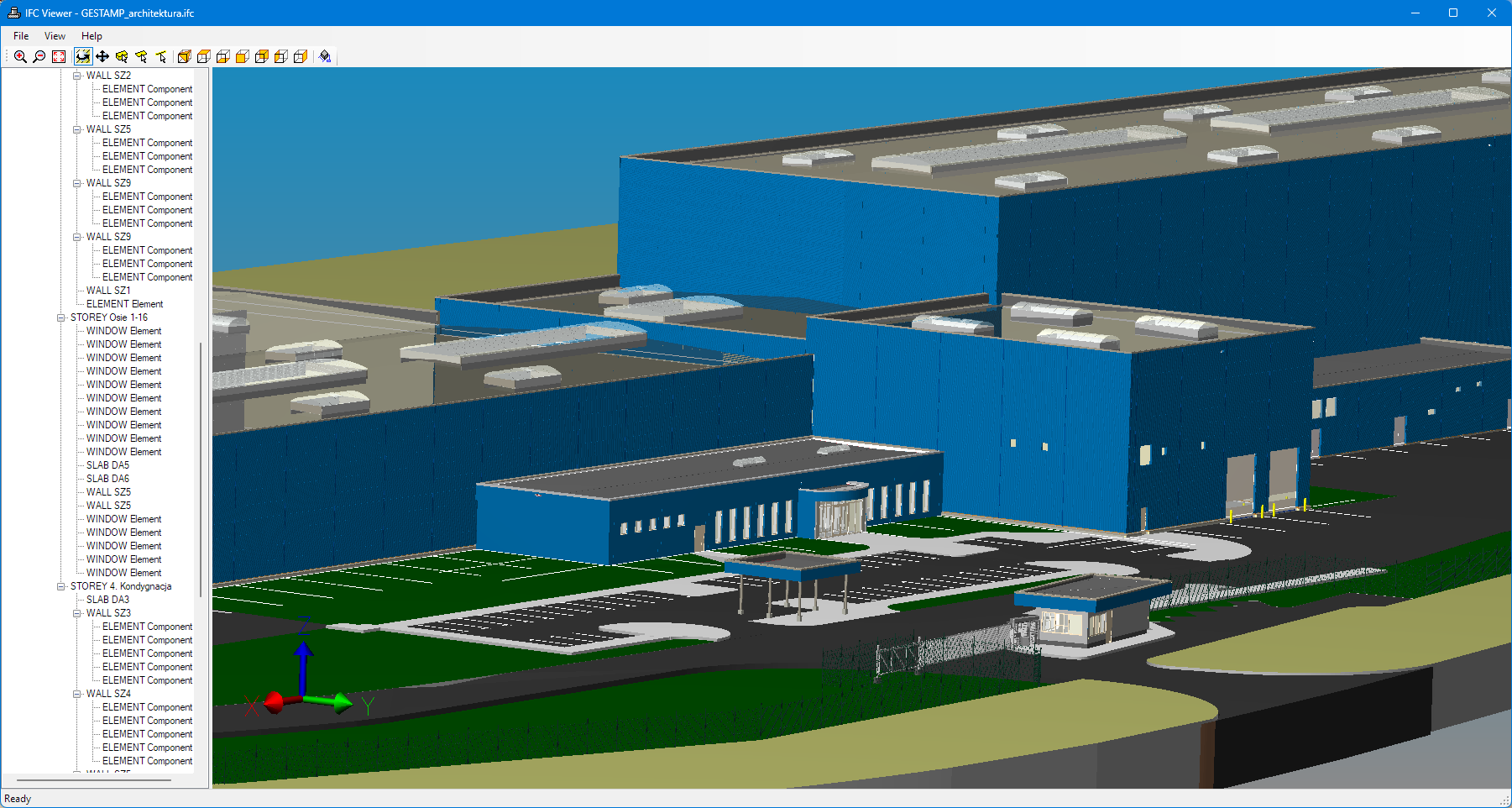
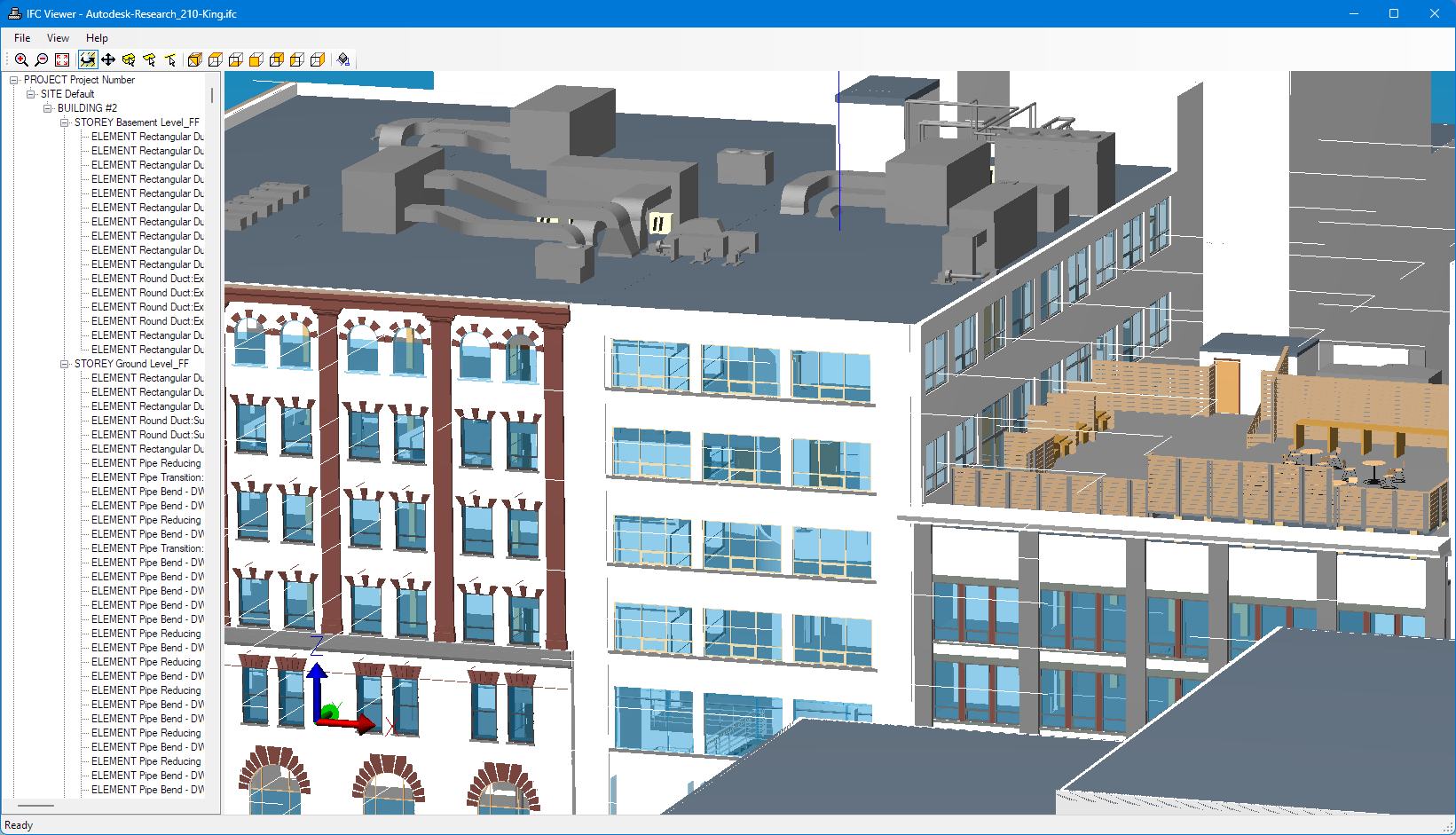
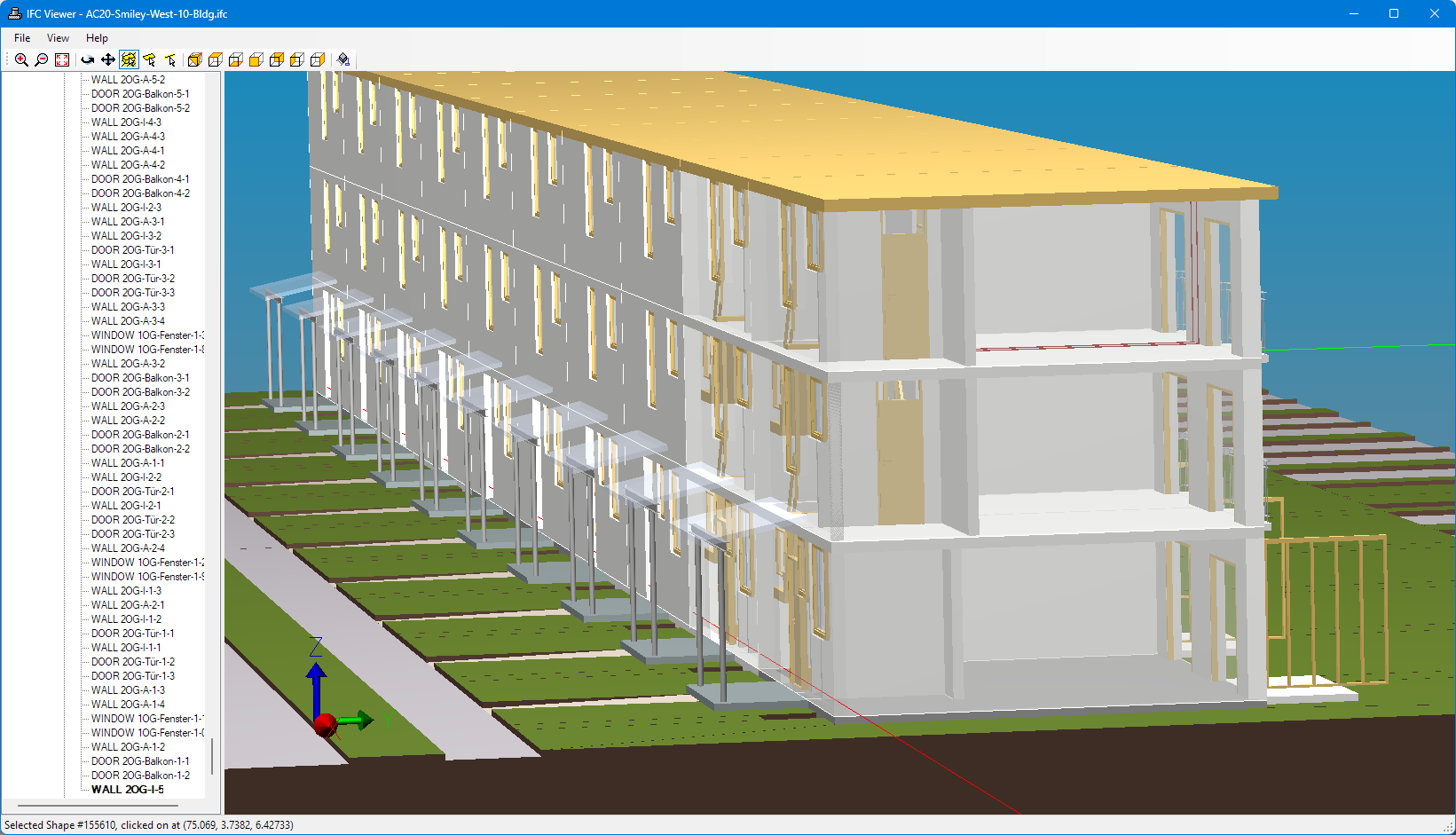
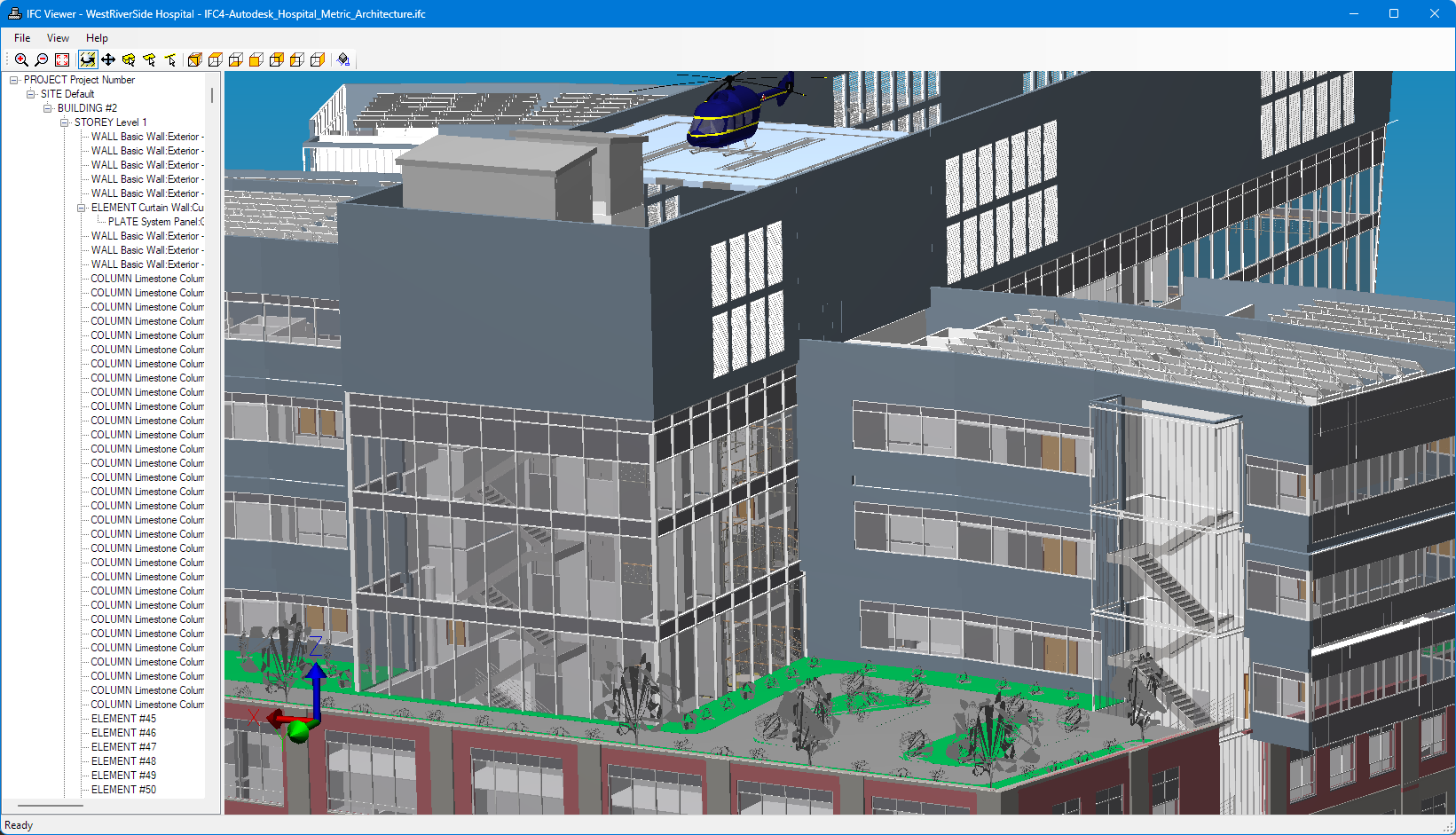
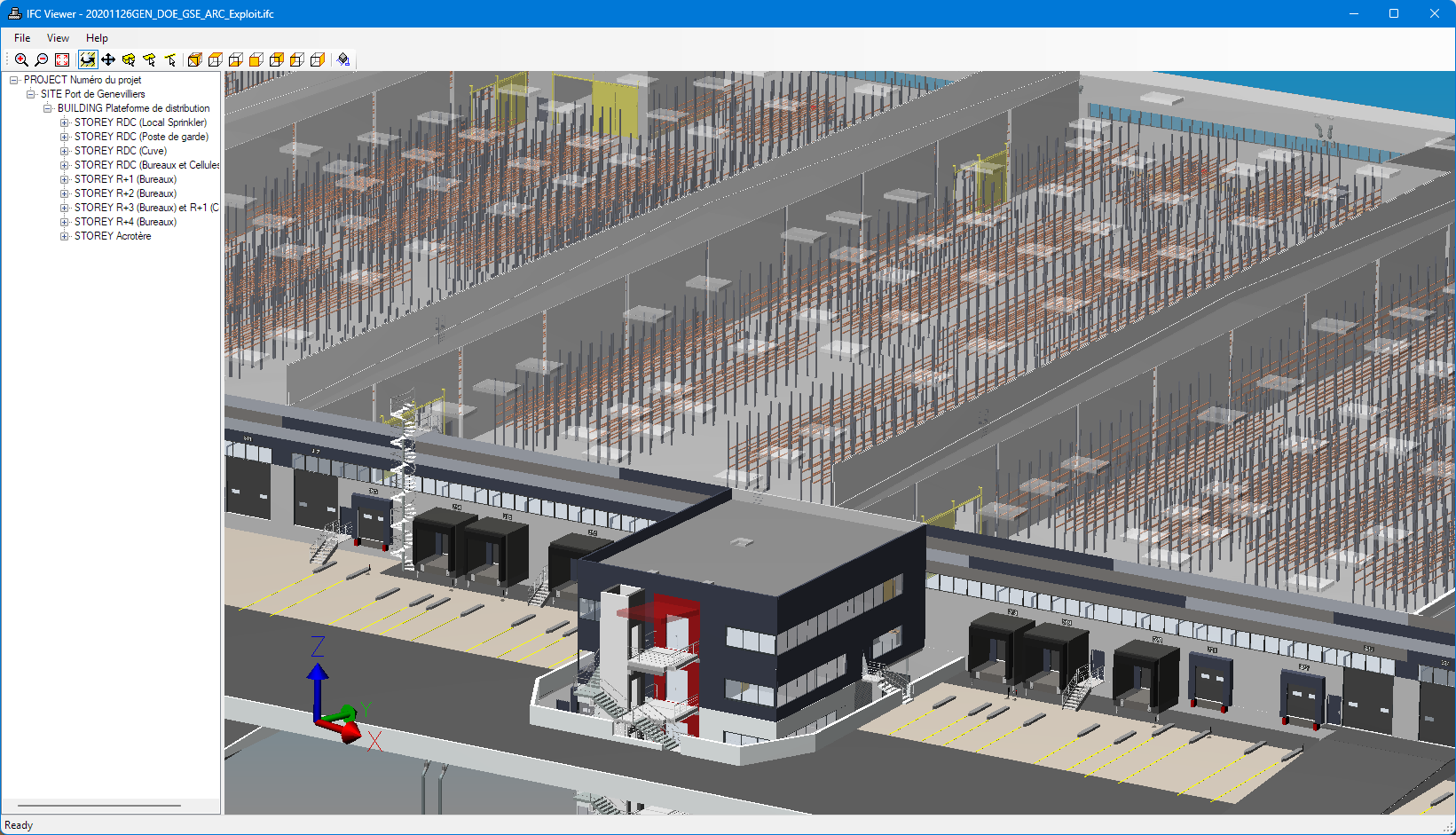
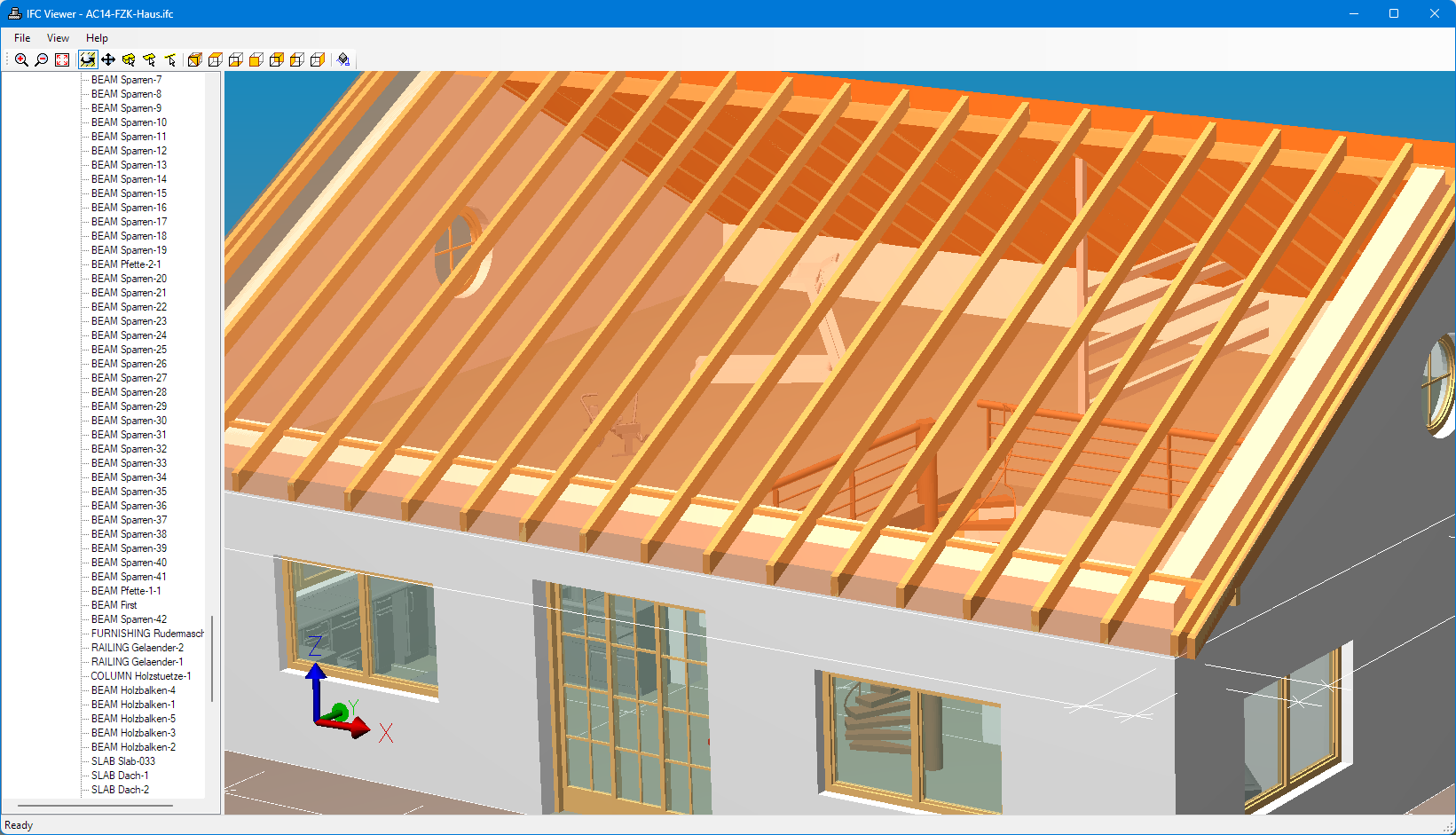
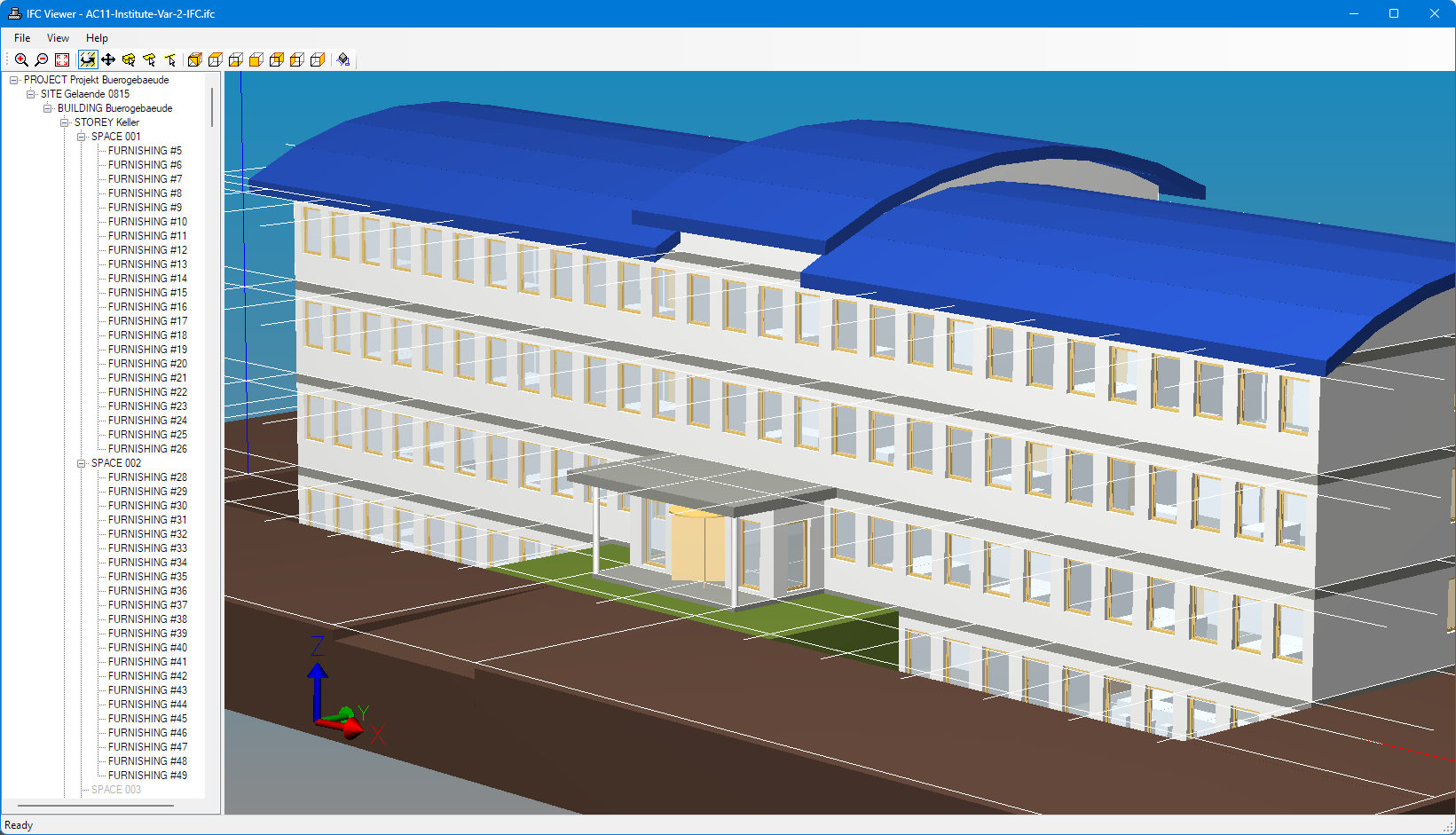
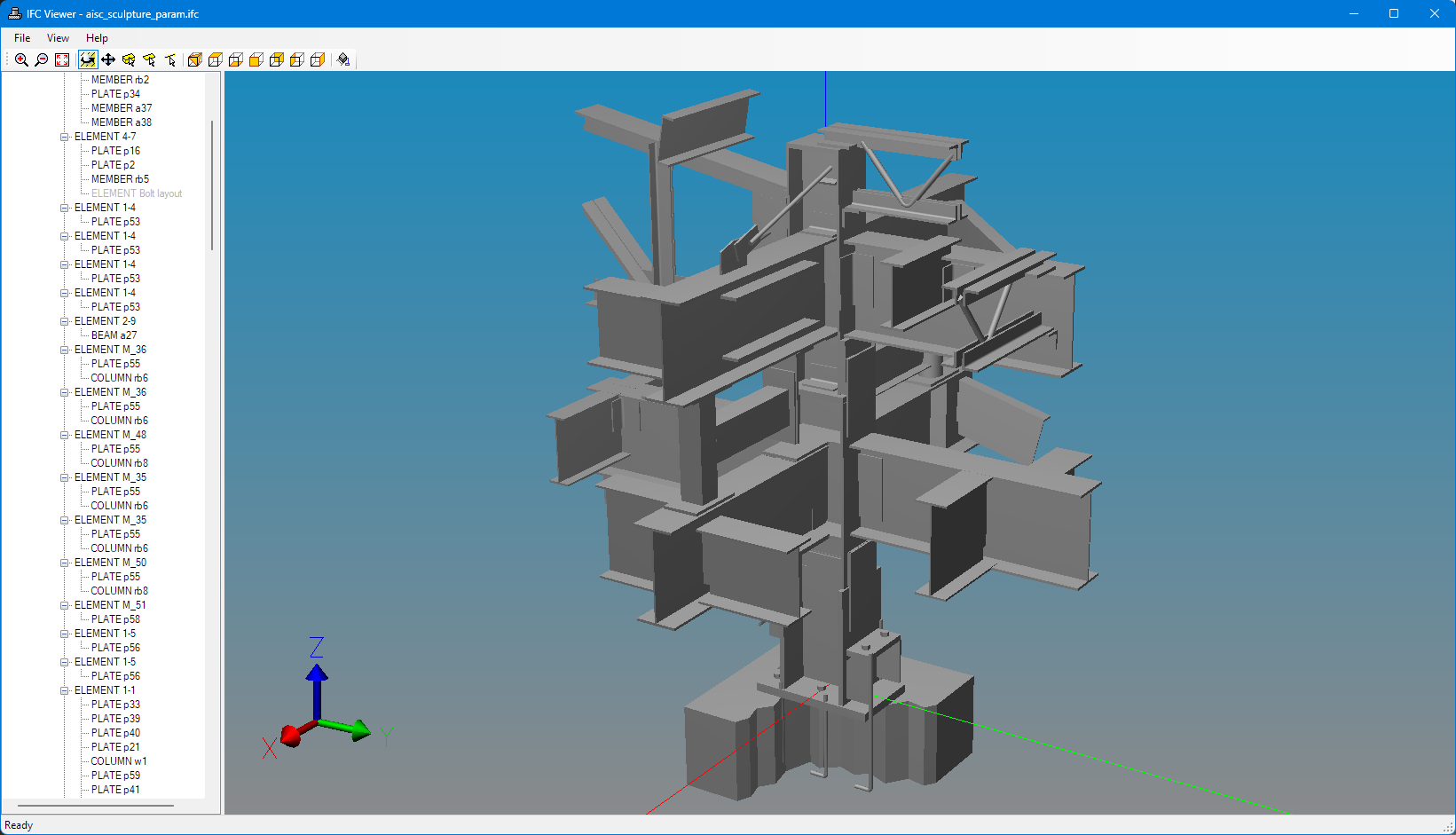
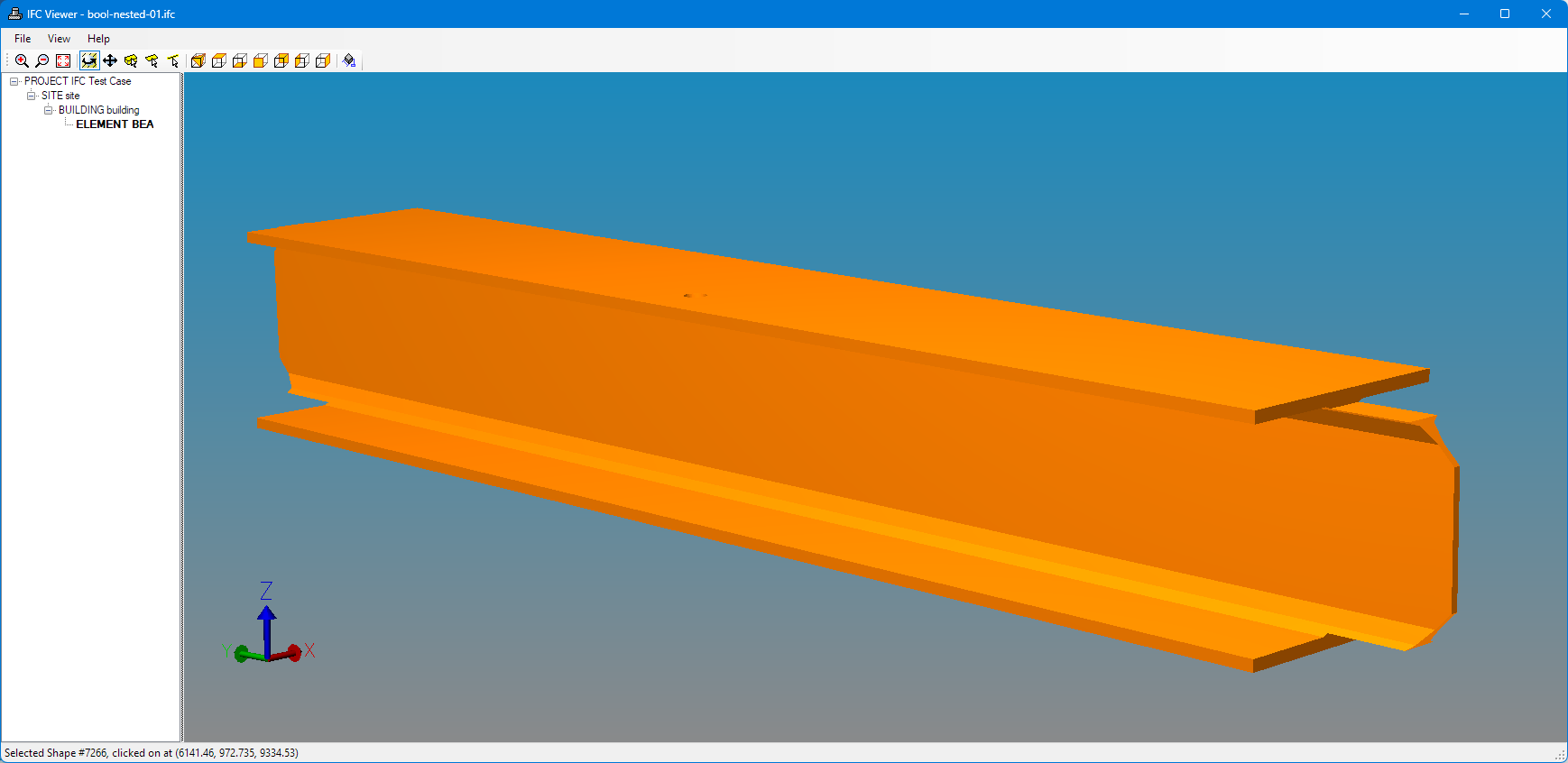
Our IFC libraries cover the latest IFC 4x3 schema, plus all earlier versions back to IFC 2x3. We have built in extensive data migration capabilities to accommodate places where the different versions have changed the names of definitions, added fields, or removed fields.
The IFC meshing library has been greatly expanded with support for many new kinds of geometry, like revolved area solids, swept disk solids, surface curve swept area solids, and more CSG constructs. Extensive testing and refinement against a set of 380 real-world customer files has eliminated 75% of the small number of boolean calculation failures and issues with other problematic faces.
The STEP Tools® libraries power commercial and private CAD systems for data exchange, analysis, and visualization. View the full release notes and contact us to discuss how we can apply our software solutions to your specific needs!
Scientific, Authoritative and Reliable Digital Twin Manufacturing
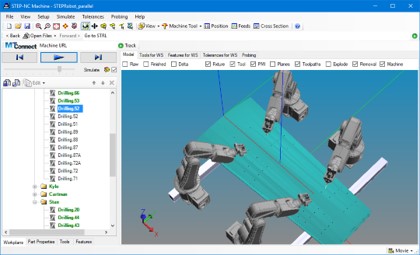
The figure below shows a digital twin model of an airframe part. The model contains four thousand holes waiting to be filled by fasteners, and ten thousand holes waiting to be drilled. In this test the unfilled holes must be found and filled. The undrilled holes must be found, drilled and filled. All of the holes must meet requirements for position, placement and diameter. All of the fasteners must have sufficient grip to hold the pin, but not too much or the airframe will be too heavy. And all of the fills must have sufficient sealant to make the structure safe for traveling conditions.

Powder Bed Fusion Generation
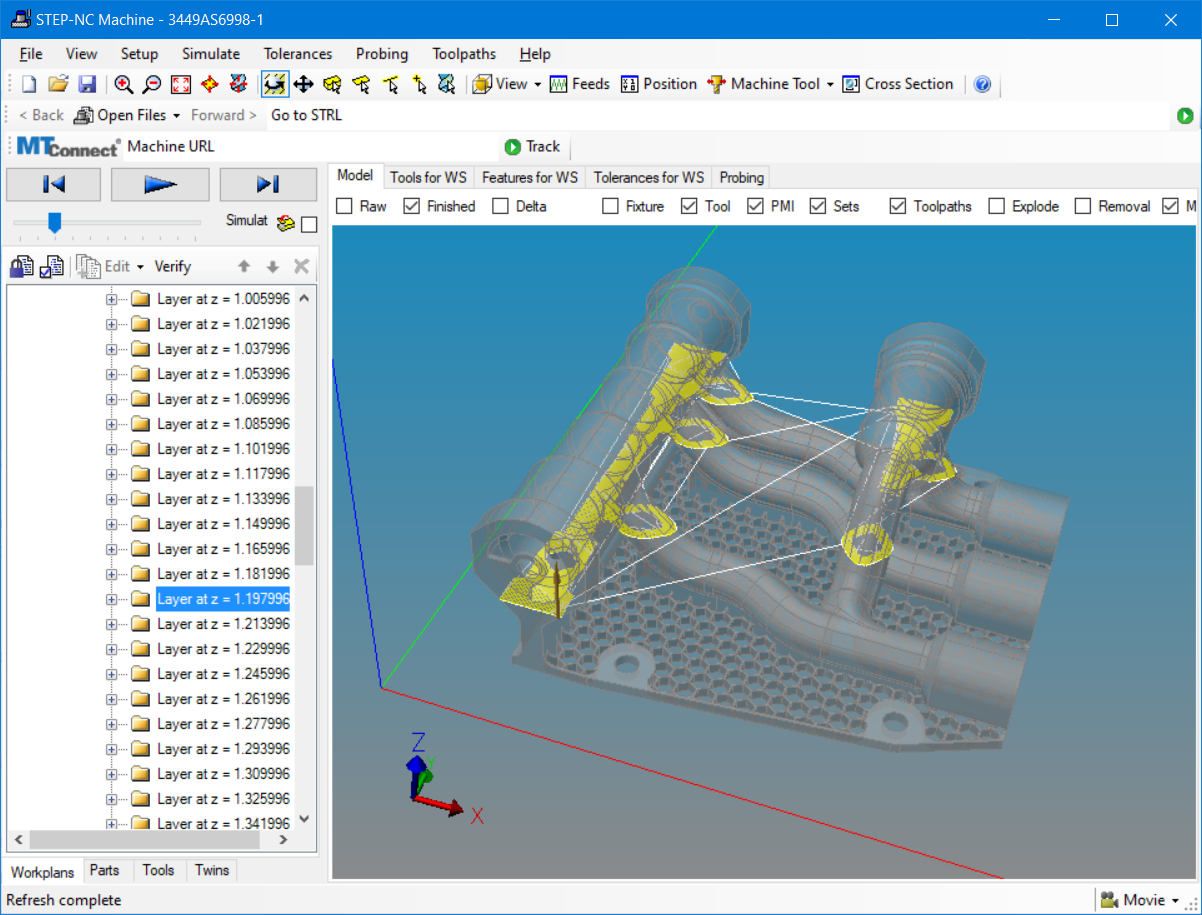
Announcing a Powder Bed Fusion Generation tool. The tool is being developed as part of a project to extend STEP-NC for powder bed fusion machines. In this initial configuration you can generate scan paths for STEP solids using the parameters described below. Please note the simple option if you just want to sample the output. The process control attributes can be set as text strings. In the next phase we will be updating the tool to set the process parameters to values appropriate to the dimensions and tolerances of the part as defined in the STEP model.
Read more and download tool
[Updated: 2024-5-30]
Tape Layup Generation
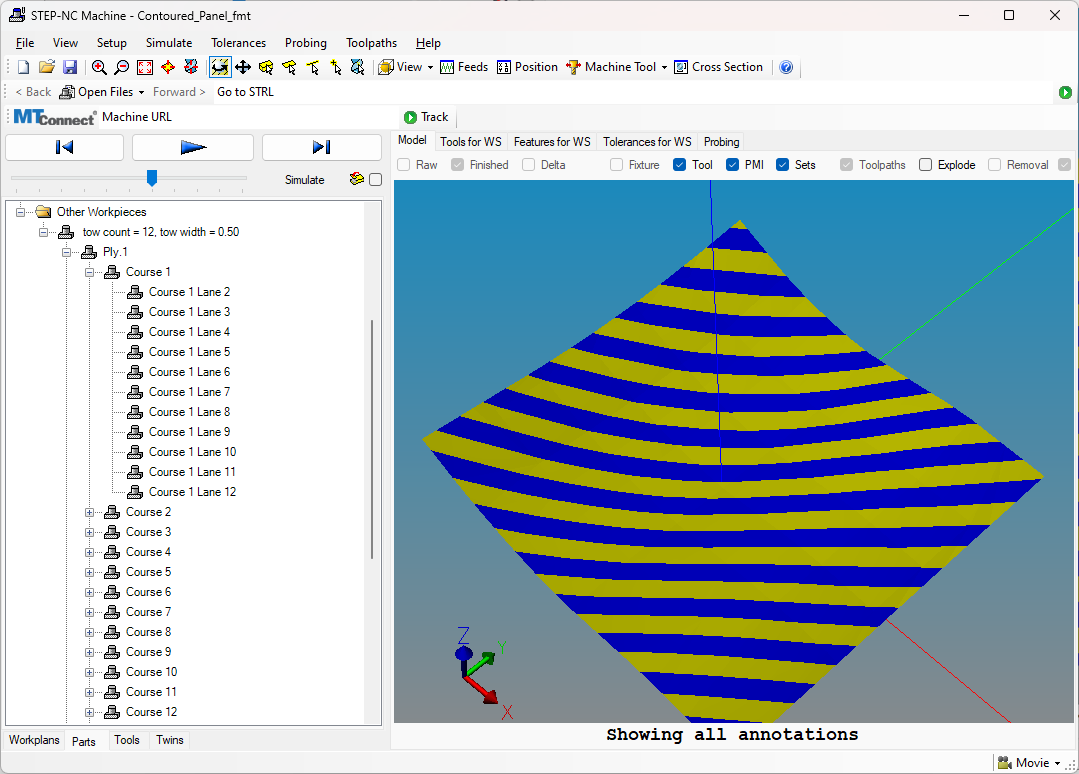
Announcing a Tape Layup Generation tool. The tool is being developed as part of a project to extend STEP-NC for tape layup machines. In this initial configuration you can split a STEP surface into tapes. Please note the simple option if you just want to sample the output. To make the input you need an advanced STEP translator that makes open shells trimmed by composite curves. The translator is available in some CAD systems as an option for those designing composite materials.
Saratoga TC184/SC4 Meeting a Success!
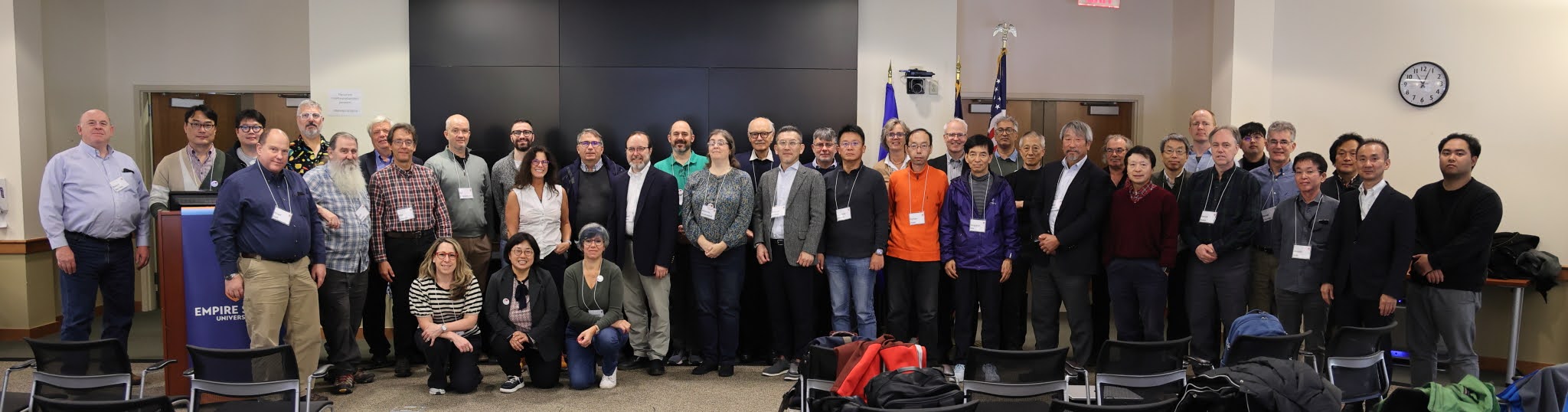
Thank you to all the delegates who made the 86th meeting of TC 184/SC4 a big success. STEP Tools enjoyed hosting you in the beauty of the Fall in upstate New York.
We started several new standards for manufacturing with digital twins and resolved multiple issues. The link above has the Star Trek and other meeting photos.
All Meeting Photos — Captains Chair Photos
Digital Twin Manufacturing

Announcing the STEP Python Interface, the faster way to program manufacturing solutions. The STEP Python interface reads CAD data, as defined by STEP, and makes digital twin as defined by ISO 23247. Everyone knows how much faster it is to make additive parts, but the same kind of acceleration can be realized for other kinds of manufacturing. Programming a third-party manufacturing system takes too much time and effort. A clever algorithm knows about the rules of your enterprise, and learns how to:
- Ensure all the engineering requirements are being checked and met
- Adjust to the non-availability of resources such as robots, cutters and fasteners
- Build measurable digital twins of your products in real time for enhanced quality control
The STEP Python interface is now available at no cost on
the Python Package Index
(PyPI) for simple install with pip on Windows, Linux,
or Mac machines.
STEP-NC CAM Exchange
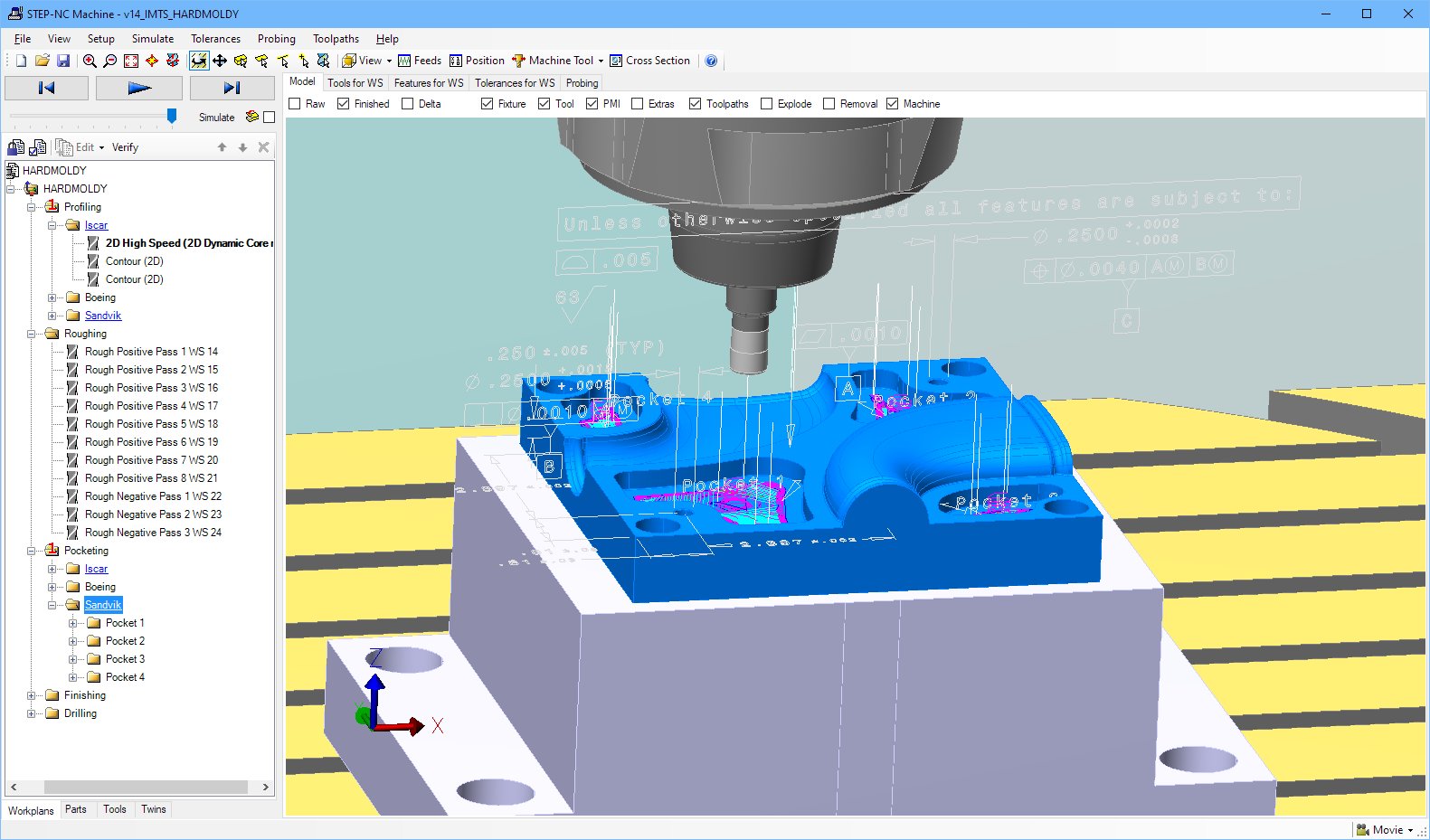
The third edition of STEP-NC AP238 publishes improvements developed during 15 years of testing with new definitions for digital twin manufacturing, machine tool kinematics, integration with AP242, and machining process enhancements.
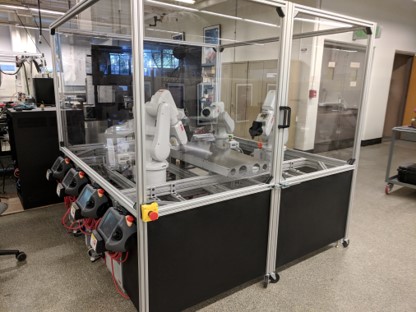
This edition combines additive and subtractive manufacturing with measurement so that turbine blades can be repaired more quickly and accurately, or teams of robots can cooperate during the assembly of complex structures such as air frame wings.
The improvements and testing makes AP238 ready for CAM to CAM data exchange. The Digital Manufacturing Implementation Forum is now working to enable this data exchange with support from STEP Tools® software. There will be four meetings in 2023, with the first focus on data exchange of toolpaths.
Manufacturing industry needs CAM to CAM data exchange so that experts can define solutions for new materials and tooling. The solutions can be developed by cutter vendors and other manufacturing specialists and sent to users for integration into their CAM systems.
Sending the data as AP238 enables the deployment in the CAM system. In the CAM system it can be verified in the context of other operations, included in work instruction generation, and posted using trusted and tested tools. The alternate of sending the solution as Gcode for cut and paste on the machine tool is very risky.
Continue reading …
One Million Unique Parts Machined
STEP is a standard for product model data and IFC is a standard for building model data. Both are very widely supported by CAD, CAM and BIM systems.
STEP-NC AP238 used to make 1,000,000 parts in 2019
- Argument won — STEP-NC is the machine control data for future aerospace.
- Boeing uses STEP-NC to machine parts for all its major airframes both single aisle and double aisle — even for satellites.
- Engineer who did the work promoted to Technical Fellow.
- Soon FAA is likely to want STEP-NC documentation for every machined part on an aircraft.
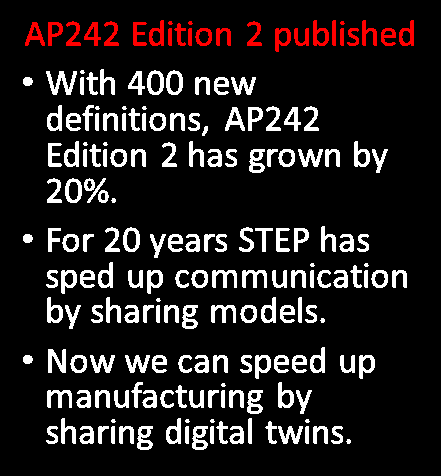
STEP AP242 Edition 2 is finished
- Every CAD system has an interface to read and write STEP.
- Edition 2 enables automatic measurement for on-machine CNC, and off-machine CMM.
- Edition 2 enables kinematics for digital twin manufacturing.
- STEP has the biggest and most widely tested information model for engineering.
IFC very popular for building models
STEP reduces the cost of manufacturing by allowing products, processes and machines to be assembled digitally for testing before delivery. IFC does the same for building construction.
- IFC technical meetings include thousands of attendees.
- IFC translators are being upgraded for latest STEP geometry.
- Building projects are producting very large multi-gigabyte IFC models.
- Every BIM system has an interface to read and write IFC.
If you own a CAD, CAM or BIM system, then we can help you extend and maintain your STEP and IFC interfaces with the latest libraries and visualization systems. Our librares are used by many of the leading CAD vendors, including NX and Autodesk, because they are the fastest and most reliable.
If your are a leader in manufacturing or construction, then we can help you use STEP and IFC to make better products. We are leading the deployment of 3D product models in manufacturing automation. There are many savings including a reduction in the cost of tooling of 15% or more.
Enabling Closed-Loop Machining
August 29, 2019 — This short walkthrough shows a digital thread model in the STEP-NC Explorer. You will see geometry, tolerances, and process, simulate material removal, and discover how to get feed/speed, position, and calculated tool engagement cross-section information at any point in the machining process.
This information can close the loop with model-based machining and enable new applications for tool life and tool wear prediction, calculation of forces and heat, and many other possibilities.
Build it Here, Build it Now, Build it Right with the Digital Thread
On July 12, 2017, a team led by STEP Tools, Inc. stretched the digital thread farther than ever before - from design, through manufacture, and into five axis measurement.
The Digital Thread is a vision for manufacturing that opens many new opportunities. You can build it here because the thread is interoperable. You can build it now because the models in the thread enables full safety checking. Watch the video to see how to build it right.
On machine measurement will replace less responsive approaches because the integrated tolerances, machine feedback and linked evaluation give results before a part leaves the machine.
We challenge the machining industry to start delivering these benefits. At IMTS and JIMTOF 2018 we will supply test parts and confidential evaluation of the measurement results. We want you to demonstrate that you too can build it here, build it now and build it right.
Continue reading …
Solutions and Expertise
STEP-based solutions for CAD or engineering analysis, bill-of-materials, or supply chain integration: CAD shape, tolerances, assemblies, import or export, desktop or web visualization.
STEP Concepts
STEP Data
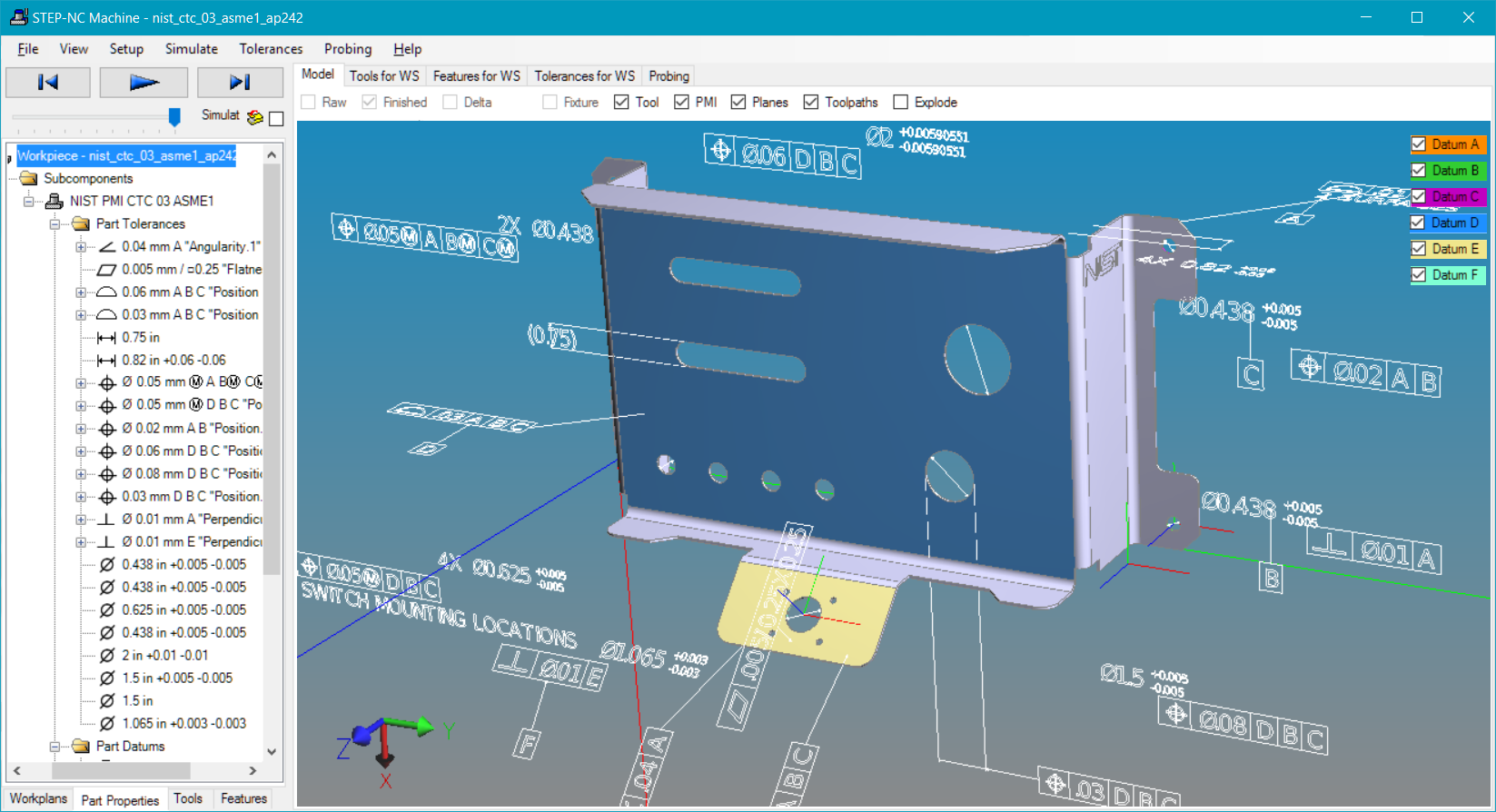
IFC-based solutions for BIM systems: translation, bill-of-materials applications, and visualization.

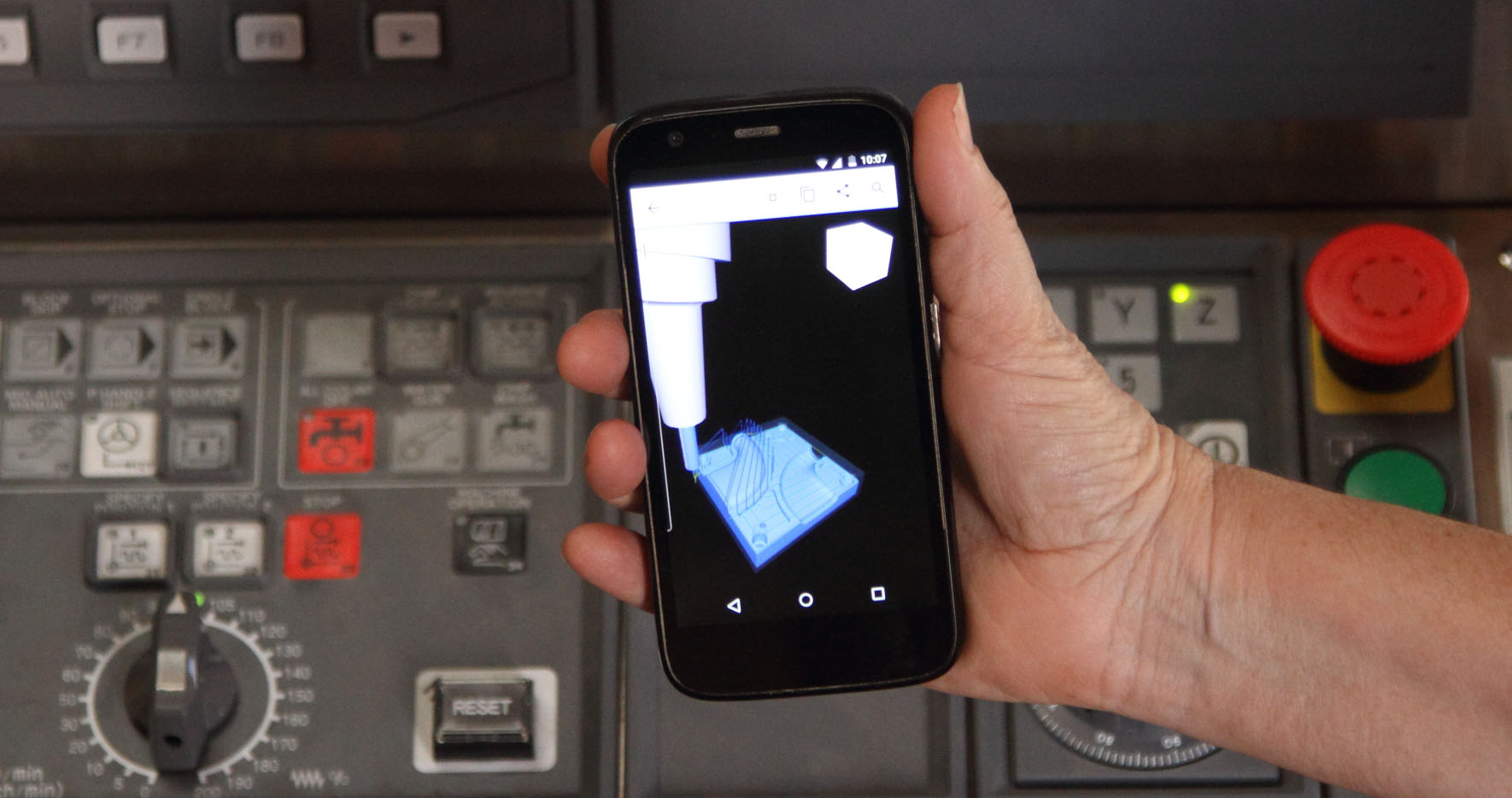
Connect product design, manufacturing, and inspection with a digital twin, built in real-time while machining with our new 3D model-based simulator. View from any mobile device, automate metrology, collaborate with supply chain, and real-time optimization.
Other Services
We offer training and support. We also have standards development experience and host forums, and an EXPRESS schema archive.